How to Motivate Students: 10 Effective Ways for Better Learning
BY ADMIN PUBLISHED November 16, 2021 , UPDATED November 23, 2026
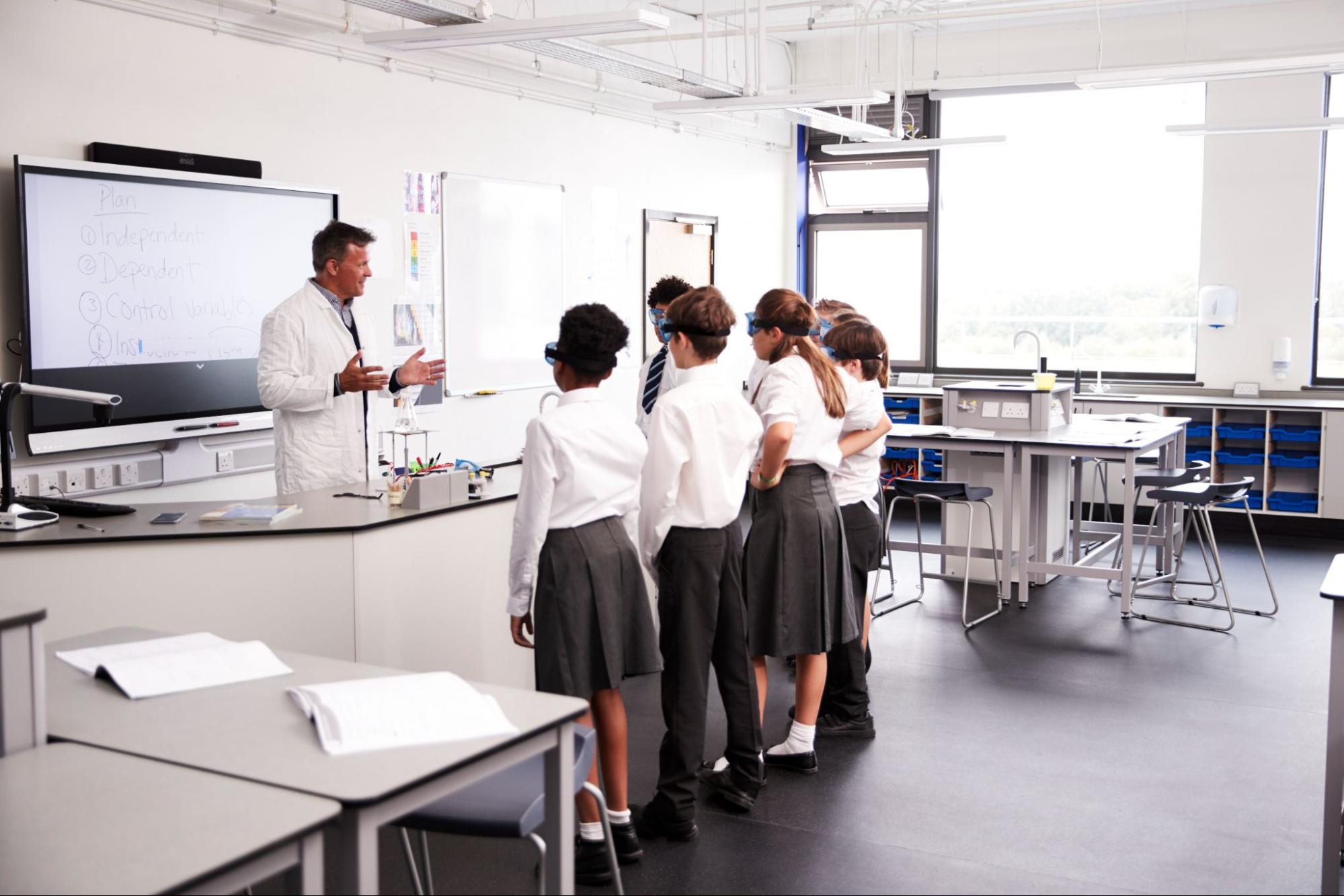
Student motivation can influence how actively children participate in lessons, approach challenges, and develop learning habits. Knowing how to motivate students is therefore important for teachers and parents alike. Motivation does not always come from grades or rewards; students are more likely to stay interested when they feel supported, understand their goals, and see value in what they are learning. From creating a positive study environment to developing a growth mindset for students, small and consistent changes can make learning more meaningful. The right strategies to motivate students can also build confidence, curiosity, independence, and a more positive attitude towards education.
Table of Contents
- Summary
- Key Takeaways
- Why Student Motivation Matters
- 10 Effective Ways to Motivate Students
- Common Mistakes Parents Should Avoid
- How Parents and Teachers Can Work Together
- Conclusion
- FAQs
Summary
Understanding how to motivate students requires more than encouraging them to study harder. Students benefit from realistic goals, positive feedback, engaging activities, supportive routines, and opportunities to ask questions. Parents can create productive learning habits at home, while teachers can make lessons interactive and provide constructive feedback. A growth mindset for students can also help children view mistakes as opportunities to learn rather than signs of failure. Consistent encouragement, reduced distractions, and communication between home and school can create an environment where students feel confident, supported, and willing to keep learning.
Key Takeaways
- Teamwork and group activities can encourage participation, collaboration, and confidence among students.
- Introducing interactive and game-based learning can make lessons more engaging and prevent monotony.
- Recognising achievements and offering small rewards can encourage students to work towards meaningful goals.
- Developing a growth mindset helps students view challenges as opportunities to learn, improve, and build confidence.
- Positive feedback and appreciation can strengthen students’ motivation and encourage them to put greater effort into their learning.
Why Student Motivation Matters
Motivation plays an important role in a student's approach to learning. A motivated student is more likely to participate in class, complete assignments, practise challenging concepts, and keep trying when a topic becomes difficult. However, motivation is not simply about achieving high marks.
Consistent motivation can contribute to academic performance by encouraging students to spend more time engaging with concepts and developing effective study habits. It can also support confidence building, particularly when students recognise that their effort can lead to improvement.
Learning motivation is closely connected with habits. Children who gradually learn to plan tasks, manage their time, ask for help, and complete small goals can develop greater independence. Positive experiences also influence emotional development by helping students handle mistakes and setbacks without immediately becoming discouraged.
This is why parents and teachers should focus on creating conditions that encourage students to participate willingly rather than relying entirely on pressure, punishment, or competition.
10 Effective Ways to Motivate Students
There is no single method that works for every learner. Students have different interests, personalities, strengths, and challenges. The following ways to motivate students can be adapted according to a child's age, learning style, and individual needs.
Encourage Positive Learning Habits at Home
A consistent home routine can make studying feel more manageable. Parents can establish regular study times, encourage reading, help children organise assignments, and allow appropriate breaks. The objective is to make learning a normal part of the day rather than something that happens only before tests.
Simple habits such as preparing school materials in advance, reviewing lessons regularly, and maintaining a reasonable sleep schedule can reduce last-minute stress. Parents should encourage children to take increasing responsibility for these routines as they grow.
Set Small and Achievable Learning Goals
Large academic targets can sometimes feel overwhelming. Breaking them into smaller goals gives students a clearer sense of what they need to accomplish.
Instead of asking a child to "finish everything," parents and teachers can help set specific goals, such as completing a particular set of questions, reading a few pages, or revising one concept.
Achievable goals can create a sense of progress and make difficult subjects feel less intimidating. Once one goal is completed, students can gradually work towards the next.
Praise Effort Instead of Only Results
Students need to know that effort, persistence, and improvement matter—not only marks. Positive reinforcement in education can encourage students to continue working when they encounter difficulties.
Rather than focusing exclusively on a high score, parents and teachers can recognise behaviours such as consistent practice, careful preparation, asking thoughtful questions, or trying a new approach.
This type of feedback helps students understand that progress develops through effort and practice. It can also reduce the fear of making mistakes and encourage children to approach challenging tasks with greater confidence.
Create a Positive Study Environment
The physical and emotional environment in which students study can influence their ability to concentrate. A suitable study space should be reasonably quiet, organised, comfortable, and free from unnecessary interruptions.
Parents can help by keeping essential study materials available and establishing clear expectations about when the space is used for learning. At the same time, the environment should not feel overly strict or stressful.
A positive atmosphere can make it easier for students to focus and gradually develop independent study habits.
Make Learning Fun Through Interactive Activities
Learning does not have to rely entirely on textbooks and written exercises. Interactive activities can make concepts easier to explore and help students remain engaged.
Depending on the subject, parents and teachers can use educational games, experiments, puzzles, storytelling, quizzes, demonstrations, projects, or real-life examples.
Interactive learning can be particularly useful when students find a topic difficult or repetitive. Giving children opportunities to participate, make choices, and apply concepts can turn passive learning into a more active experience.
Encourage Curiosity and Questions
Students are more likely to engage with learning when they feel comfortable asking questions. Parents and teachers should avoid making children feel embarrassed when they do not understand something.
Questions can reveal how a student is thinking and can provide useful opportunities for deeper learning. Instead of immediately giving an answer, adults can sometimes respond with another question that encourages the child to investigate or reason through the problem.
Encouraging curiosity also helps children understand that learning involves exploration rather than simply finding the "correct" answer.
Develop a Growth Mindset
A growth mindset for students encourages the belief that abilities can develop through effort, practice, effective strategies, and guidance. This can change how children respond to difficult subjects and mistakes.
For example, instead of saying, "I am not good at mathematics," a student can learn to think, "I haven't understood this concept yet, but I can practise it."
Parents and teachers can reinforce this approach by discussing progress, recognising persistence, and treating mistakes as useful learning experiences. The goal is to help students see challenges as part of learning rather than evidence that they cannot succeed.
Celebrate Small Achievements
Students do not have to wait for examination results to feel that their efforts matter. Recognising smaller milestones can reinforce positive behaviour and help maintain motivation.
A student may deserve recognition for completing a difficult assignment independently, improving a particular skill, reading consistently, or showing greater participation in class.
Celebration does not always need to involve gifts or material rewards. A sincere compliment, acknowledgement of improvement, or opportunity to share an achievement can be meaningful.
The focus should remain on progress and effort rather than creating dependence on external rewards.
Reduce Distractions During Study Time
Phones, television, games, social media, unnecessary notifications, and frequent interruptions can make concentration difficult. Creating reasonable boundaries around distractions can help students use their study time more effectively.
Parents can establish device rules that are appropriate for the child's age and learning requirements. Students can also be encouraged to keep only the materials they need nearby while studying.
The goal is not to remove every form of entertainment but to create a clear distinction between focused learning time and leisure time.
Build Strong Parent-Teacher Communication
Parents and teachers can work more effectively when they share relevant information about a student's progress, interests, challenges, and behaviour.
Regular communication can help identify whether a student is struggling with a particular subject, losing confidence, or responding positively to a specific learning approach. It can also prevent small concerns from becoming larger problems.
When home and school use consistent encouragement and expectations, students receive clearer guidance. This partnership can be one of the most useful strategies to motivate students over the long term.
Common Mistakes Parents Should Avoid
Parents naturally want their children to succeed, but well-intentioned approaches can sometimes reduce motivation. Avoiding common mistakes can create a healthier learning environment.
- Comparing children: Comparing a child with siblings, classmates, or friends can damage confidence and make learning feel like a competition.
- Setting unrealistic expectations: Goals should reflect the child's abilities, progress, and circumstances rather than only parental expectations.
- Applying excessive academic pressure: Constant pressure around marks can create anxiety and make students associate learning with fear.
- Ignoring emotional well-being: Changes in mood, confidence, sleep, or behaviour may indicate that a child needs support rather than additional academic pressure.
- Overusing rewards or punishment: Rewards can be useful in some situations, but students should gradually develop internal motivation rather than studying only to receive something or avoid punishment.
Parents should focus on encouragement, communication, effort, and progress. A child who feels supported is more likely to approach challenges with confidence and persistence.
How Parents and Teachers Can Work Together
Motivation becomes more consistent when parents and teachers work as a team. Regular communication allows both sides to understand a student's academic progress, classroom participation, strengths, and areas that may require additional support.
Teachers can share practical suggestions for reinforcing learning at home, while parents can provide information about the child's interests, routines, and behaviour outside school. This creates a more complete picture of the learner.
Both sides can also encourage consistent routines. Regular reading, homework schedules, revision, adequate rest, and reasonable screen-time boundaries can help students develop productive habits.
Most importantly, parents and teachers should use supportive language and maintain realistic expectations. If a student is struggling, the focus should be on understanding the barrier and finding a suitable solution rather than assigning blame.
A strong parent-school partnership can help children receive consistent encouragement across different learning environments.
Read More: How to Make Your Child an Active Learner
Conclusion
Knowing how to motivate students is less about finding one perfect technique and more about creating consistent conditions in which children feel supported, capable, and interested in learning. Small goals, positive feedback, interactive activities, curiosity, a growth mindset, and healthy study routines can all contribute to stronger motivation. Parents and teachers also play an important role by communicating regularly and responding to individual needs. Schools such as DPSG International can complement these efforts by providing supportive learning environments where students are encouraged to participate, explore, and develop confidence in their abilities.