

Reward vs Punishment: What Is Better for Child Development?
BY ADMIN PUBLISHED November 20, 2019, UPDATED November 23, 2026
When it comes to discipline, parents often wonder whether reward or punishment is more effective for encouraging positive behaviour. While both approaches aim to influence how children behave, they can have very different effects on motivation, confidence, emotional development, and the parent-child relationship. Understanding Reward vs Punishment can help parents choose a more constructive approach. Positive reinforcement, clear expectations, consistent routines, and open communication can encourage children to understand why a behaviour is appropriate rather than simply acting to avoid consequences. A balanced approach to reward and punishment can therefore support healthier long-term development.
Table of Contents
- Summary
- Key Takeaways
- Why Discipline Is Important for Child Development
- Reward vs Punishment: Understanding Both Parenting Approaches
- Benefits of Reward-Based Parenting
- When Can Punishment Do More Harm Than Good?
- How Parents Can Encourage Positive Behaviour Without Punishment
- What Child Development Experts Recommend
- Conclusion
- FAQs
Summary
This blog explores the long-standing debate among parents and educators over whether reward or punishment works better for disciplining children. It argues that a reward-based approach offers more benefits, helping children understand the value of effort and incentives without making them materialistic, especially when rewards are matched to a child's interests rather than being purely monetary. In contrast, punishment is shown to create fear, anxiety, and bitterness, and may teach children that force is an acceptable way to get results. The piece also highlights DPSG Palam Vihar's approach, where unruly behaviour is addressed through counselling rather than punishment, reflecting the school's belief that children have an inherent sense of right and wrong and thrive in a secure, supportive environment.
Key Takeaways
- Positive reinforcement can encourage desirable behaviour while helping children understand what they are doing well.
- Effective discipline should focus on teaching responsibility rather than creating fear.
- Rewards work best when they recognise genuine effort and positive behaviour rather than becoming constant bribes.
- Clear expectations, consistent routines, natural consequences, and communication can reduce the need for punishment.
- A supportive approach can help children develop confidence, self-control, emotional awareness, and responsible behaviour.
Why Discipline Is Important for Child Development
Discipline plays an important role in helping children understand boundaries, responsibilities, and the consequences of their actions. Effective discipline is not simply about stopping unwanted behaviour; it is also about teaching children how to make appropriate choices independently.
During childhood, emotional development and self-regulation continue to evolve. Consistent guidance can help children recognise their emotions, understand expectations, and learn healthier ways of responding to difficult situations. Discipline can also contribute to self-discipline, allowing children to gradually make appropriate decisions without needing constant adult supervision.
Responsible behaviour develops when children understand that their choices affect themselves and others. Instead of relying exclusively on fear of consequences, parents can explain why certain behaviours are appropriate and encourage children to take responsibility for their actions.
Positive, age-appropriate guidance can also contribute to confidence building. When children understand expectations and receive constructive feedback, they can learn that mistakes are opportunities to improve rather than reasons to feel ashamed or rejected.
Reward vs Punishment: Understanding Both Parenting Approaches
The Reward vs Punishment debate often centres on how parents can encourage desirable behaviour while responding appropriately to unwanted actions.
Positive reinforcement, commonly associated with rewards, involves recognising or encouraging a behaviour that parents want children to repeat. A reward does not necessarily mean money or a material gift. Praise, appreciation, additional responsibility, or a meaningful privilege can also reinforce positive behaviour.
Punishment, on the other hand, is intended to reduce an unwanted behaviour by introducing an unpleasant consequence or removing a privilege. Examples may include losing screen time after repeatedly breaking an agreed rule or receiving a consequence for not completing an age-appropriate responsibility.
The key difference is the focus. Reward-based approaches emphasise strengthening desirable behaviour, while punishment focuses on reducing undesirable behaviour. In either case, parents should consider the child's age, the seriousness of the behaviour, consistency, and the opportunity to explain expectations.
Benefits of Reward-Based Parenting
Reward based parenting can encourage children to recognise and repeat positive behaviours. When used thoughtfully, positive reinforcement can support motivation without making discipline primarily fear-based.
Specific praise can help children understand exactly what they did well. For example, acknowledging that a child completed a responsibility without being reminded gives them clear feedback about the behaviour being encouraged.
Positive reinforcement can also contribute to confidence building because children receive recognition for effort and progress. Over time, consistent encouragement can strengthen the parent-child relationship by creating more opportunities for positive interactions.
The goal should not be to provide a material reward for every desirable action. Instead, parents can gradually help children understand the intrinsic value of responsibility, cooperation, kindness, and self-control.
When Can Punishment Do More Harm Than Good?
Punishment can become counterproductive when it relies heavily on fear, humiliation, threats, or physical force. Instead of helping children understand their behaviour, harsh responses may cause them to focus primarily on avoiding the parent's reaction.
Repeated harsh punishment can contribute to fear or anxiety and may affect a child's self-esteem. Children may begin to associate mistakes with rejection rather than viewing them as opportunities to learn and improve.
The emotional impact can also extend beyond the immediate incident. If children consistently experience aggressive or excessively punitive responses, they may respond with anger, secrecy, resentment, or avoidance.
This does not mean that children should have no consequences for inappropriate behaviour. Punishment vs positive reinforcement should be considered carefully, with an emphasis on constructive discipline that teaches responsibility, establishes boundaries, and preserves the child's dignity.
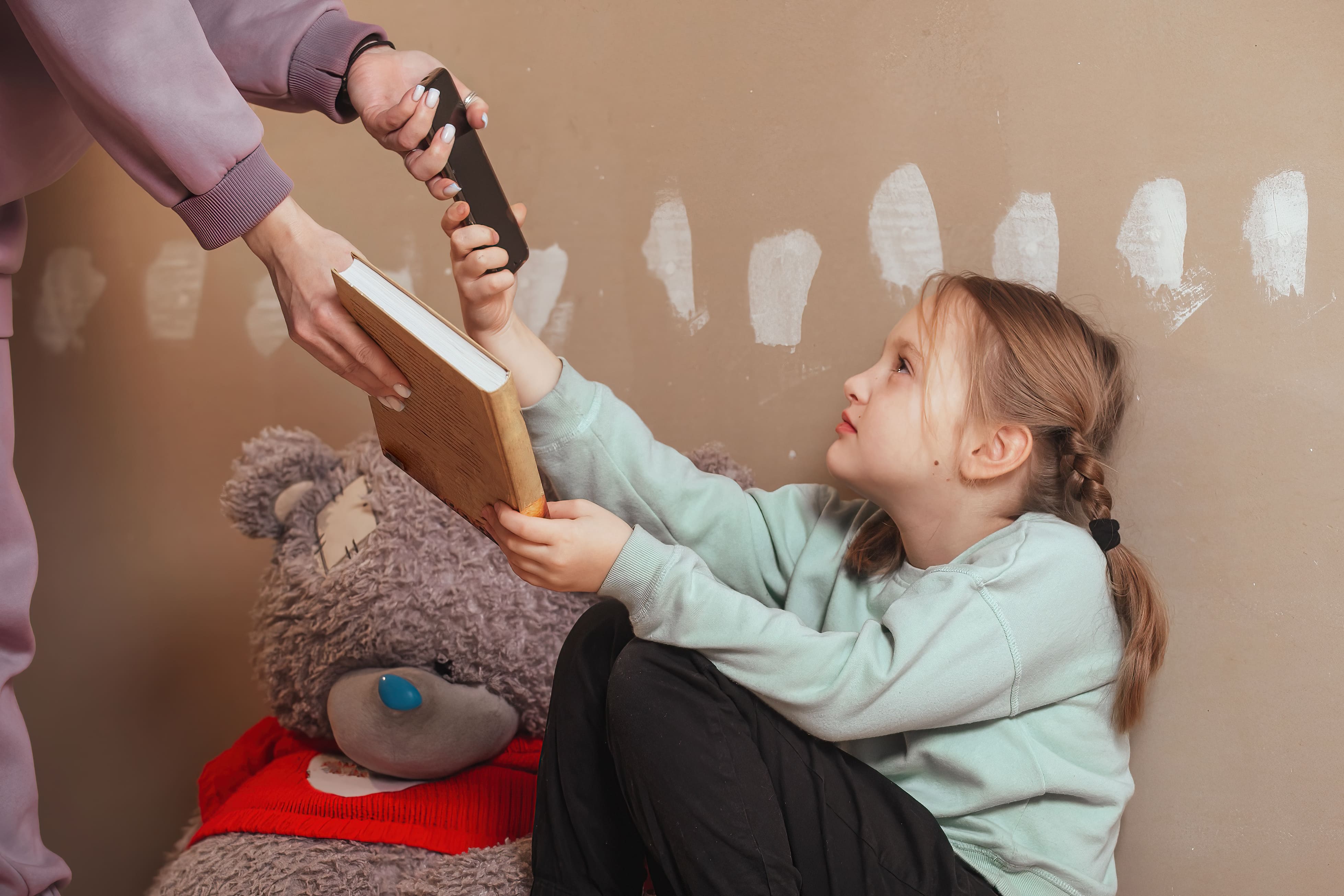
How Parents Can Encourage Positive Behaviour Without Punishment
Parents can use several practical approaches to guide children's behaviour without relying primarily on punishment.
- Set clear expectations: Children need to understand what is expected of them. Rules should be simple, specific, and appropriate for their age.
- Create consistent routines: Predictable routines around homework, meals, sleep, play, and screen time can make expectations easier for children to understand and follow.
- Use natural consequences: Where appropriate and safe, children can experience reasonable consequences that naturally follow from their choices. This can help them understand responsibility without humiliation or fear.
- Praise and encourage: Parents can acknowledge positive behaviour, effort, patience, cooperation, and improvement. Specific feedback is generally more useful than vague praise.
- Maintain open communication: Talking calmly about what happened allows children to express their feelings and understand why a particular behaviour needs to change.
This approach can help children develop internal responsibility instead of behaving appropriately only because they expect a reward or fear a punishment.
What Child Development Experts Recommend
The brief's recommended approach emphasises positive reinforcement, balanced discipline, age-appropriate guidance, and emotional well-being.
Positive reinforcement can encourage children to repeat appropriate behaviours, while balanced discipline ensures that boundaries and consequences remain clear. Guidance should also be suitable for the child's developmental stage because young children may need simpler explanations, more repetition, and greater adult support than older children.
Emotional well-being should remain an important consideration whenever parents respond to challenging behaviour. Discipline should teach rather than humiliate. Parents can acknowledge emotions while still maintaining appropriate boundaries.
The objective is not to eliminate every consequence but to create a consistent environment where children understand expectations, learn from mistakes, and gradually develop self-control and responsibility.
Read More: Beneficial Ways To Teach Kids Patience
Conclusion
The question of reward or punishment is better approached by focusing on what helps children learn and develop rather than choosing one method for every situation. Positive reinforcement, clear boundaries, natural consequences, consistent routines, and open communication can encourage responsible behaviour while supporting confidence and emotional well-being. A balanced, age-appropriate approach allows parents to guide children without relying on fear. By focusing on teaching rather than simply controlling behaviour, families can support healthier long-term development.


