
What Is Early Childhood Education and Why Does It Matter for Young Learners
BY ADMIN PUBLISHED April 14, 2026, UPDATED July 17, 2026
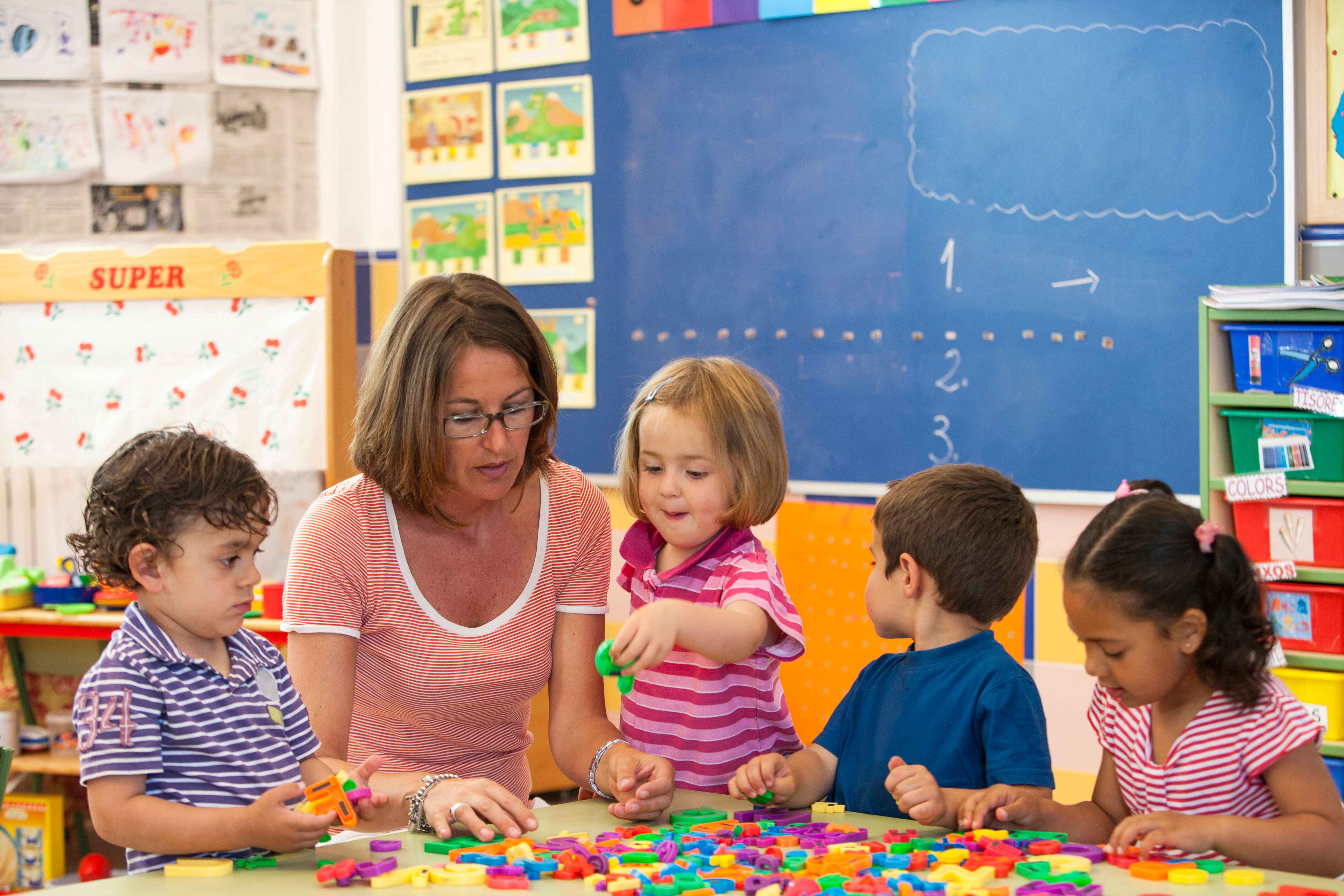
Children playing, constantly asking "why" as they build block towers, and pretending to be teachers in their own make-believe classrooms. What appears to be nothing more than play is really a start to learning. These early stages of a child's life don't simply involve letter and number recognition.
They shape how a child thinks, feels, interacts, and perceives the world. As such, learning about early childhood education is very important because it prepares children entering school, as well as those for their entire lives.
What Is Early Childhood Education Beyond the Textbook Meaning
By definition, early childhood education refers to the structured learning that takes place from birth to around age 8. But in real terms, it’s much more than structured teaching. It includes:
- Learning through play
- Exploring surroundings
- Developing communication
- Building curiosity
At this stage, children are not just absorbing information. They are forming the foundation of how they will learn in the future. That’s what makes early learning so powerful.
Why the Early Years Are So Important
The first few years of life are when the brain develops most rapidly. Connections are formed rapidly. Habits begin to shape. Behaviour patterns start emerging. This is where the importance of early childhood education becomes clear. Children who receive the right environment early on:
- Develop better learning abilities
- Show stronger emotional balance
- Adapt more easily to structured schooling
It’s not about teaching more. It’s about guiding better.
Learning Happens Through Experience Not Just Teaching
Unlike higher classes, early learning is not about textbooks or memorisation. Children learn by doing. They learn when they:
- Play with objects
- Interact with others
- Ask questions
- Observe surroundings
This is why early education focuses on activity- based learning rather than traditional teaching. The benefits of early childhood education come from this approach, which makes learning natural and enjoyable.
Cognitive Development in Early Childhood
Let’s talk about thinking. Cognitive development in early childhood refers to how children learn to think, reason, and solve problems. At this stage, children begin to:
- Recognise patterns
- Understand cause and effect
- Ask logical questions
- Develop memory
You’ll often notice a child asking “Why is this happening?” repeatedly. That curiosity is a sign of cognitive growth. When supported properly, it builds strong thinking skills for later years.
Social and Emotional Development in Early Childhood
Learning is not only about thinking. It’s also about feeling and interacting. Social and emotional development in early childhood plays a huge role in shaping personality. Children learn to:
- Share and cooperate
- Express emotions
- Understand others feeling
- Build relationships
These skills don’t come naturally for everyone. They are developed through guided interaction. A child who learns empathy early often carries it throughout life.
How Early Childhood Education Builds Confidence
Confidence doesn’t suddenly appear in higher classes. It begins early. When children are encouraged to explore, speak, and express themselves without fear, they develop a sense of self-belief. The benefits of early childhood education include creating an environment where children feel safe to:
- Make mistakes
- Ask questions
- Try new things
This builds confidence slowly, but strongly.
The Role of Play in Early Learning
Play is often misunderstood as a break from learning. In reality, it is learning. Through play, children:
- Experiment
- Imagine
- Create
- Solve problems
This is why play-based methods are a core part of early childhood education. A simple activity like building blocks teaches balance, coordination, and planning. Learning doesn’t always look like learning.
Language Development Starts Here
One of the most noticeable changes in the early years is language growth. Children begin to:
- Form sentences
- Express thoughts
- Understand instructions
The environment they are exposed to plays a big role here. The importance of early childhood education includes creating opportunities for communication through stories, conversations, and interactive activities. Language builds connection. And connection builds confidence.
How Early Education Prepares Children for School
The transition to formal schooling becomes smoother when children have a strong early foundation. They are more comfortable with:
- Classroom settings
- Following instructions
- Interacting with peers
- Participating in activities
The benefits of early childhood education are often visible when children adapt easily to school routines without feeling overwhelmed. Preparation reduces pressure.
Role of Teachers and Environment in Early Learning
At this stage, teaching is not about instruction. It’s about guidance. Teachers create an environment where children feel encouraged to explore. They:
- Observe behaviour
- Guide interactions
- Encourage curiosity
- Support emotional growth
In schools like DPSG Sushant Lok, early learning spaces are designed to balance structure and freedom. Children are not pushed. They are supported.
Common Misconceptions About Early Childhood Education
There are a few misunderstandings that need to be addressed. Some believe early education means:
- Starting academics too early
- Pushing children to perform
- Focusing only on reading and writing
But that’s not accurate. True early childhood education focuses on development, not pressure. It’s about readiness, not speed.
Long-Term Benefits of Early Childhood Education
The impact of early learning goes far beyond the initial years. Children who experience strong early education often show:
- Better academic performance
- Stronger social skills
- Higher confidence
- Improved problem-solving abilities
The importance of early childhood education becomes more visible as children grow. The foundation built early supports everything that follows.
Creating a Positive Start for Lifelong Learning
The purpose of early education is not to help children pass tests. Rather, the objective of early education is to foster in the child a love of learning. Children who view learning as exciting and curious are much more likely to have that same excitement and curiosity throughout their academic careers.
Therefore, early childhood education can be viewed as more than just a phase. It represents the first step.
Final Thoughts
Early childhood is truly the starting point for all aspects of development, whether intellectual, behavioural, or personal. Realising the benefits of early childhood education helps establish the value of laying a strong foundation from which children can progress through their educational journey.
Whether we focus on cognitive development during early childhood or social/emotional development, each aspect of a child's experiences contributes to their overall growth and development.
At DPSG Sushant Lok, there are many opportunities for children to develop naturally, explore freely, and learn confidently. And when you lay a good foundation for young learners, the rest of the process tends to become less difficult.


