Technology Integration in Education: Benefits, Importance & Best Practices for Modern Learning
BY ADMIN PUBLISHED January 22, 2021, UPDATED November 23, 2026
The classroom of today looks fundamentally different from the one most Indian parents grew up in, and the force driving that transformation is technology integration in education. Interactive digital boards, personalised learning apps, virtual laboratories, and collaborative platforms are reshaping how students learn and how teachers teach across India's most forward-thinking schools.
The importance of technology in education extends far beyond making lessons more visually engaging. When implemented thoughtfully, it transforms learning into a genuinely personalised, interactive, and meaningful experience for every student. The role of technology in education is not to replace the teacher, but it is to make teaching more effective and learning more powerful. This guide explores the benefits, importance, and best practices of technology in education for modern Indian schools.
Table of Contents
- Summary
- Key Takeaways
- What Is Technology Integration in Education?
- Why Is Technology Integration Important in Education?
- Benefits of Technology Integration in Education
- How Is Technology Used in Modern Education?
- Best Practices for Successful Technology Integration in Education
- Challenges of Technology Integration in Education
- The Future of Technology Integration in Education
- Conclusion
- FAQs
Summary
Technology Integration in Education effectively describes the role technology plays in modern education. This includes enhanced engagement, understanding, and the outcomes of the individual learners. The blog shows technology’s potential to stimulate constructive and fruitful activities that complement, and enhance, the formal education of the students and prepare them for effective participation in the society. DPSG Dehradun, in classrooms and labs, integrates technology in many ways, and as such, strengthens the position as one of the leading private schools of Dehradun for the all-round development of its students and our relentless pursuit for excellence in Education.
Key Takeaways
- Technology and schooling have become closely intertwined, making digital integration a pressing necessity rather than an optional add-on in modern classrooms
- Technology improves student engagement by offering interactive, dynamic learning experiences that traditional lecture formats struggle to match
- Higher engagement leads to better knowledge retention, as active classroom participation helps information stick
- Digital tools support individual learning by catering to different abilities and styles, while internet access broadens research opportunities
- Online activities encourage collaboration, connecting students within their own classroom and with peers across the globe
- Classroom technology helps build essential life skills such as critical thinking, problem-solving, communication, and leadership
- Education is most effective when traditional teaching methods are combined with modern technology and techniques
What Is Technology Integration in Education?
The term technology integration in education describes the ability to incorporate learning aids in digital form into pedagogy and didactics in an intelligent manner. The term describes much more than placing devices in classrooms. Technology integration in education refers to purposely using technology to enhance teaching and learning.
There is a clear line that separates using technology from integrating it in education. The former describes an occasional, even poorly, classroom integrated educational activity that still employs technology. The latter describes learning experiences that use technology in an active and coordinated way that helps educators identify and refine new learning paths that are beyond the teaching methods that are currently used in the classroom.
Effective technology integration in classrooms around the globe is increasingly necessary and imperative. It is designed to prepare the pedagogical workforce of the future to teach and facilitate learning in the advanced and technologically integrated learning environments of the 21st century. It is designed to ensure that learning is as interesting and varied as possible while also respecting the personal wishes of each student.
Why Is Technology Integration Important in Education?
The importance of technology in education lies in its ability to transform the learning experience in ways that traditional classroom methods alone simply cannot achieve. When integrated thoughtfully, technology supports every dimension of effective modern education:
- Supports personalised learning: Digital tools adapt to each student's pace, ability, and learning style, ensuring no child is left behind and no child is held back
- Improves student engagement: Interactive platforms, multimedia content, and gamified learning experiences capture and hold student attention far more effectively than passive lecture-based instruction
- Makes learning more interactive: Technology transforms students from passive recipients of information into active participants in their own learning, through simulations, collaborative projects, and real-time problem-solving
- Prepares students with digital skills: In a world where digital literacy is a baseline professional requirement, technology in education ensures students develop the competencies that every future career will demand
Benefits of Technology Integration in Education
The benefits of technology in education are wide-ranging and well-documented, extending from improved academic outcomes and student engagement to the development of the critical thinking, collaboration, and digital skills that define genuine 21st-century readiness.
Improves Student Engagement
The most obvious and immediate benefit of technology in education is the opportunity it provides for student engagement with learning in learning experiences which are visually rich, interactive, and able to capture and sustain student attention in a way that traditional instruction struggles to achieve.
Supports Personalized Learning
The ways students learn vary. Technology enables truly personalised learning across multiple students. Adaptive learning tools find the unique strengths and needs of each student. They provide the appropriate level of challenge and support while facilitating learning progress for all students at their own pace.
Encourages Collaboration
Collaboration is easily expanded beyond the classroom. Technology creates opportunities for students to work with others in different classrooms, schools, and communities. But technology goes further than the traditional classroom and creates new pathways for learning things the old technology could not.
Develops Digital & Critical Thinking Skills
When teaching a subject, the use of technology develops the digital literacy and structured critical thinking along the digital path recently created by technology. Students who regularly participate in tasks and activities that utilize technology develop their ability to think critically along the previously established digital pathways. This also gives them the pathway along which they can develop their digital technological literacy.
Makes Learning More Accessible
Technology removes the physical classroom barriers to learning. The use of technology provides access to a wide array of resources that support all students regardless of degree of support and level of challenge required. Technology also creates previously unexplored remote digital pathways to learning. These pathways are frequently the only way of effectively meeting the learning needs of students who struggle to learn in a traditional classroom environment.
Enhances Assessment and Feedback
The digital assessment tools provide teachers the opportunity to evaluate student comprehension and fill in the gaps, all in a matter of minutes. This instant feedback, both specific and actionable, provides much more benefit to students than the typical end of unit assessment on its own.
How Is Technology Used in Modern Education?
Today's educational technology is a broad and complex toolset, and the uses to which education can put it is practically limitless.
Each tool has a specific function in the process of making education more effective, more stimulating to the learner, more interactive, and more tailored to the personal needs and individual interests of every student.
Modern schools cannot simply mean the presence of computers. These schools mean the integration of technology into various learning environments, and such technology has the potential to shape and transform every aspect of the educational experience.
From the moment a student enters a classroom equipped with smart technology to the moment when the student submits an online test from home, technology makes its presence known, and it is a presence that is highly functional and transformative.
- Smart Classrooms
- Interactive Whiteboards
- Learning Management Systems (LMS)
- Educational Apps
- AI-Powered Learning Tools
- Virtual Labs and Online Assessments
Best Practices for Successful Technology Integration in Education
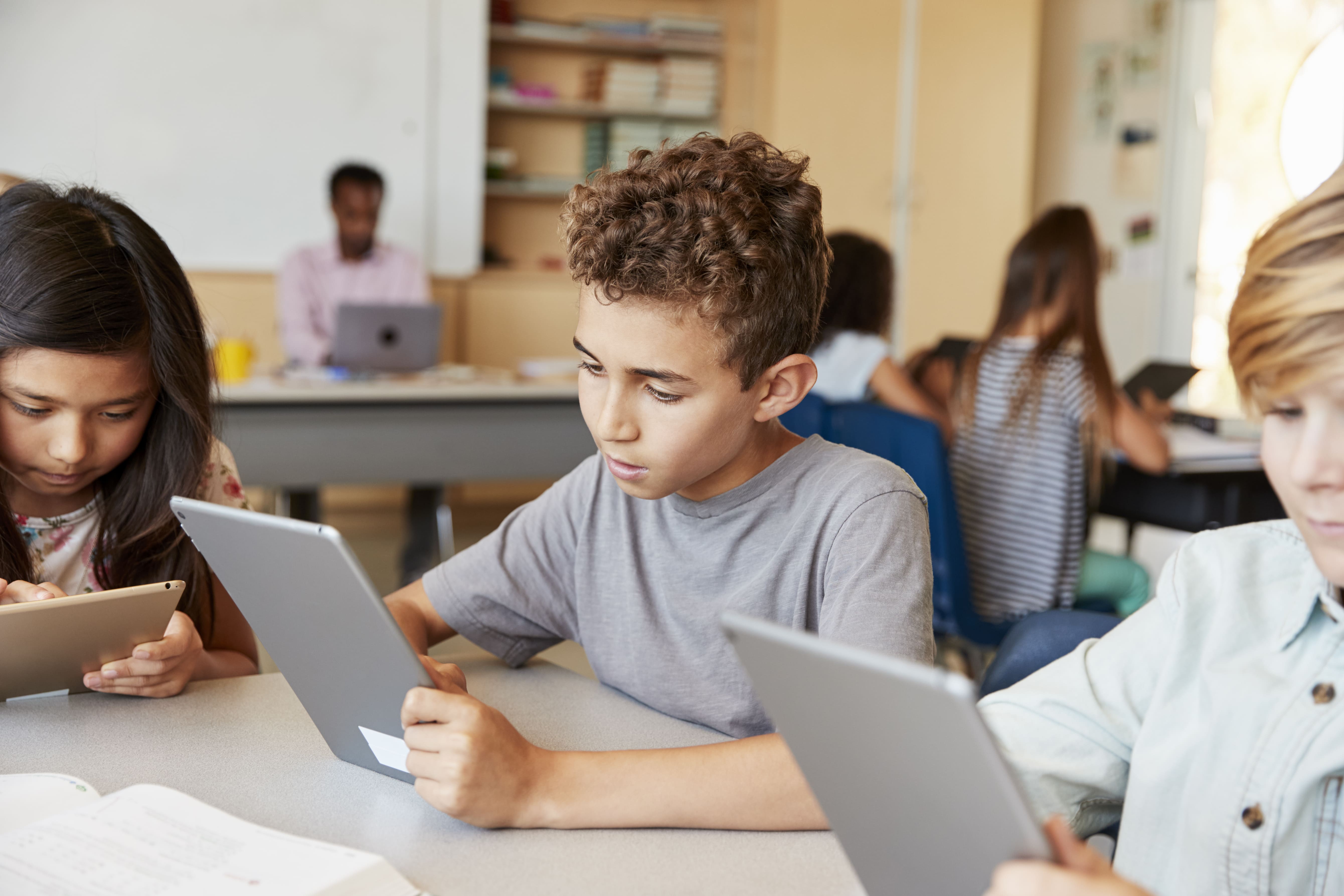
Successful technology integration begins with educational objectives rather than technology itself. Schools should first identify what students need to learn and then determine whether a digital tool can improve the learning experience.
Teachers should be involved in selecting and implementing technology because they understand their students, curriculum requirements, and classroom realities. Appropriate training can help educators use digital tools confidently and meaningfully rather than treating technology as an additional task.
Schools should also introduce technology gradually and ensure that students understand responsible digital behaviour. Clear guidelines around device use, online communication, information evaluation, privacy, and cybersecurity can help students develop healthy digital habits.
Another important practice is maintaining balance. Technology should complement proven teaching approaches rather than replace every traditional classroom activity. Discussions, hands-on learning, reading, writing, practical activities, collaboration, and direct interaction with teachers remain valuable.
Finally, schools should evaluate whether technology is actually improving learning. Feedback from teachers and students, assessment outcomes, participation, and classroom observations can help determine what works and where changes are required. The goal should always be meaningful learning, not technology use for its own sake
Challenges of Technology Integration in Education
Despite its advantages, technology integration also presents challenges that schools need to address carefully. Access to appropriate devices, reliable infrastructure, teacher preparedness, responsible use, and financial considerations can all influence how successfully technology is implemented.
The digital divide remains an important concern because students may not have equal access to devices or reliable internet connections outside school. Schools therefore need to consider accessibility when designing technology-supported learning experiences.
Internet connectivity can also affect the consistency of digital learning. Reliable infrastructure is particularly important when lessons, assessments, or educational resources depend heavily on online platforms.
Another consideration is screen time. Digital tools should be used purposefully, with an appropriate balance between technology-based activities and offline learning, physical activities, classroom discussion, and hands-on experiences.
Cybersecurity and digital safety are equally important. Schools need appropriate practices for protecting student information and teaching students how to behave responsibly in digital environments.
Teacher readiness can also influence outcomes. Educators need practical training and ongoing support to integrate technology effectively. Finally, budget limitations may affect the availability of devices, software, infrastructure, and professional development. A thoughtful implementation strategy can help schools prioritise resources according to educational needs.
The Future of Technology Integration in Education
The future of technology integration in education is likely to involve increasingly personalised, interactive, and data-informed learning experiences. Emerging technologies can provide new opportunities, but their value will continue to depend on thoughtful implementation and strong educational foundations.
Artificial Intelligence (AI) may support personalised learning, educational content, feedback, and learning assistance. At the same time, schools will need to emphasise responsible use, human judgement, privacy, and independent thinking.
Virtual Reality (VR) and Augmented Reality (AR) may create immersive learning experiences that allow students to explore places, processes, and concepts in new ways. These technologies can be particularly useful where visualisation or simulation adds value to classroom instruction.
Gamification can introduce game-like elements such as challenges, progress, and interactive tasks to encourage participation and motivation when aligned with meaningful learning goals.
Data-driven learning may also help educators understand patterns in student performance and identify areas requiring additional support. Combined with personalised learning, these developments could give teachers more information to design responsive learning experiences.
Ultimately, the future of educational technology will not be determined by devices alone. The strongest results are likely to come from combining technology with skilled teachers, thoughtful pedagogy, responsible digital practices, and a clear focus on student development.
Read More: Artificial Intelligence- future in Education
Conclusion
Technology has become an important part of the modern educational landscape, but its true value lies in how purposefully it is used. Effective technology integration in education can complement classroom teaching, encourage greater student participation, support personalised learning, and help learners develop digital and critical-thinking skills.
From smart classrooms and interactive whiteboards to educational apps, virtual laboratories, and emerging AI-powered tools, schools have more opportunities than ever to create varied learning experiences. However, successful implementation requires balance, teacher readiness, accessibility, responsible digital practices, and a continued focus on educational outcomes.
For modern schools, technology should therefore be viewed not as a replacement for teachers, but as a powerful resource that can strengthen teaching and enrich learning. With thoughtful implementation, it can contribute meaningfully to preparing students for an increasingly connected and changing world.