Beyond What We See: Building Understanding Through Experience
BY ADMIN PUBLISHED October 12, 2026, UPDATED January 1, 1970
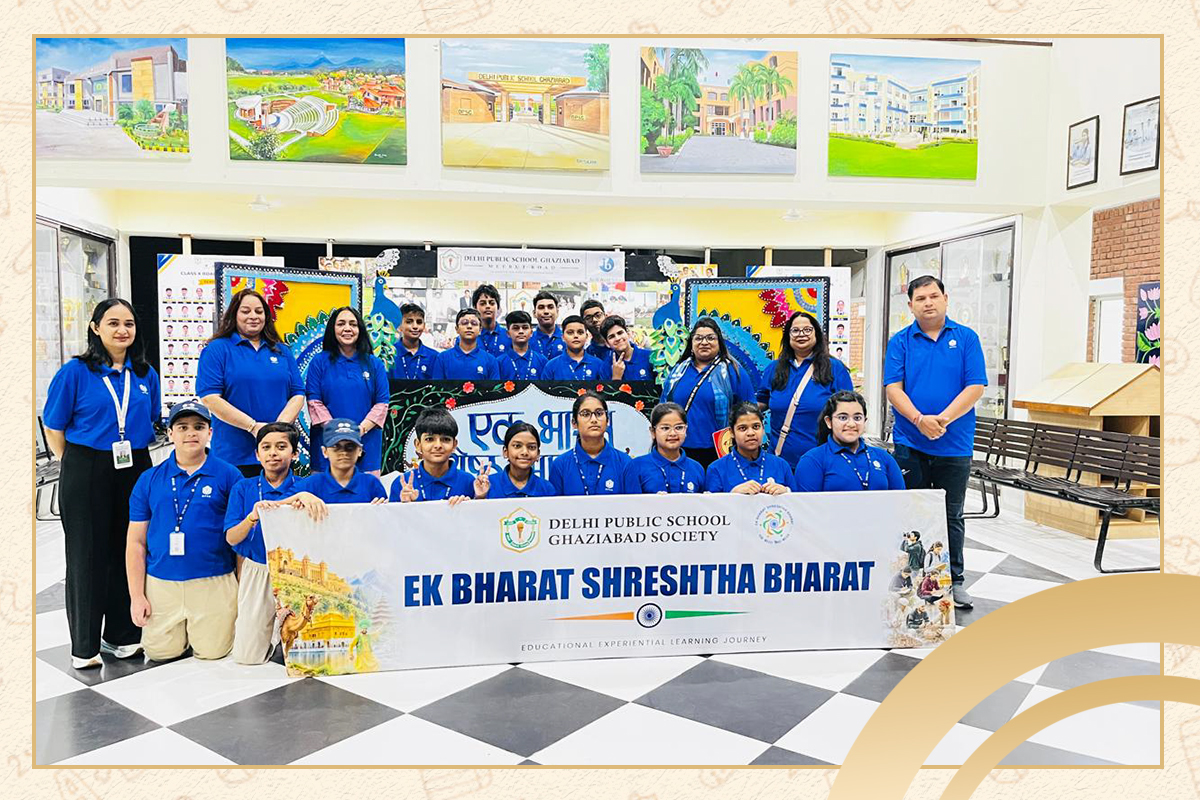
Understanding a region involves more than knowing its location or remembering facts about its past. It means examining how people interact with their environment, how traditions evolve and how historical experiences continue to influence the present. Through the Educational Experiential Learning Journey under Ek Bharat Shreshtha Bharat (EBSB), students are engaging with these questions through observation, discussion and reflection.
After a visit to a particular destination, students might think ‘Why do people follow certain traditions? How does the environment shape the way communities live? What can the past teach us about the present? And these answers do not always come at once. Sometimes, they emerge through conversations, careful observation and the simple act of putting one's thoughts on paper.=
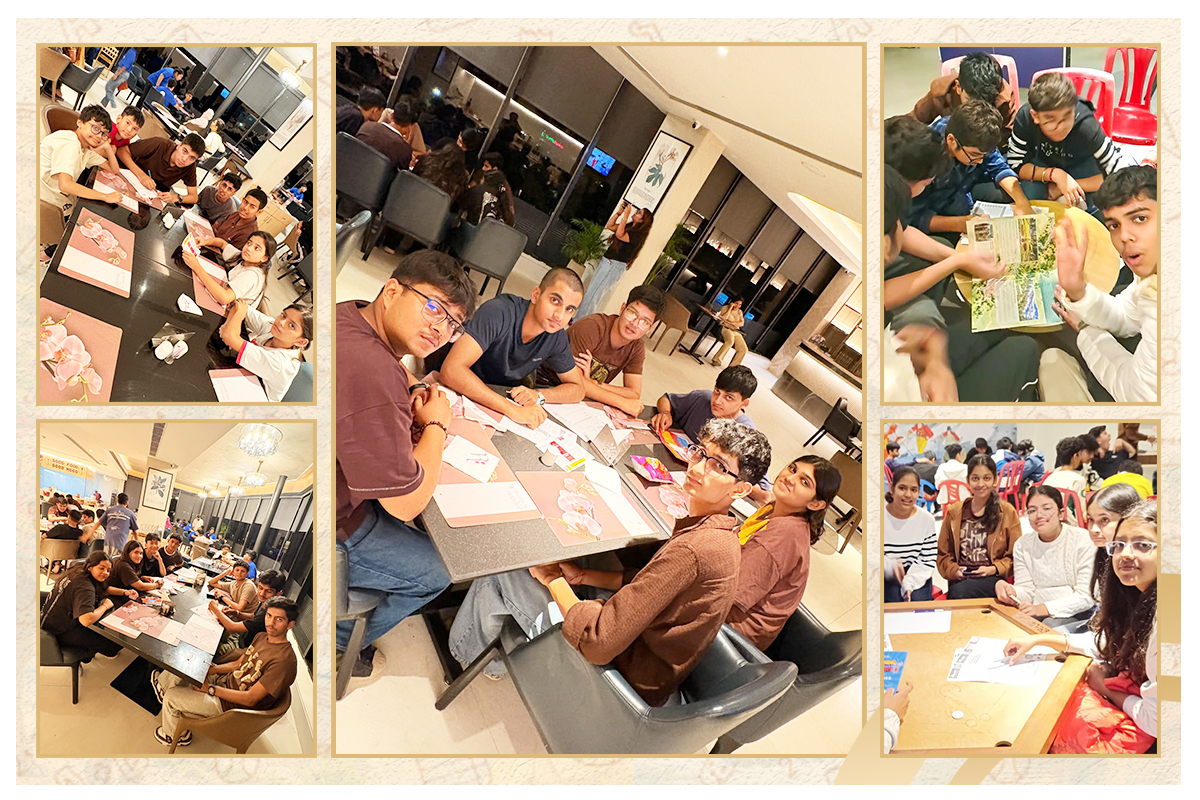
At DPSG Dehradun, the Educational Experiential Learning Journey under Ek Bharat Shreshtha Bharat (EBSB) campaign encourages students to explore these questions through daily reflective journals. By revisiting their experiences, discussing what stood out and recording their learnings, students are developing the habit of looking beyond appearances and understanding the wider context of what they encounter.
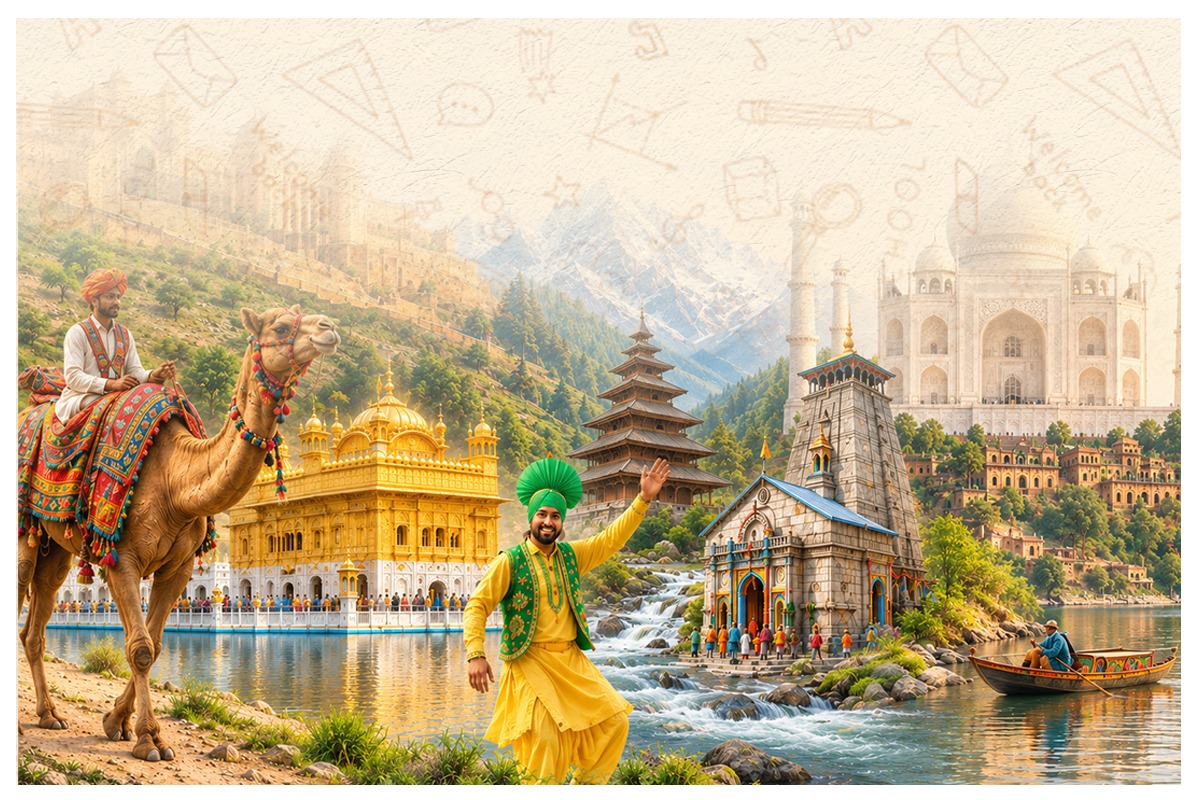
The journey's ten learning lenses help them examine the states they are studying from multiple perspectives. History, geography, architecture, environmental science, culture, industry and livelihoods become interconnected areas of discovery rather than separate subjects. This is particularly valuable when students explore the relationship between natural landscapes and human life, the role of traditional knowledge in local practices, or the ways in which communities preserve their cultural identities.
As students reflect on these connections, their cognitive skills begin to develop in meaningful ways. They learn to question assumptions, compare perspectives, recognise patterns and consider how one factor can influence another. Reflective writing also encourages them to organise information, distinguish observation from interpretation and express reasoned conclusions. These are skills that strengthen learning across subjects, well beyond the journey itself. The process also creates room for creativity. Students bring their individual experiences and viewpoints to their journal entries, finding their own ways to describe what they have discovered. By connecting new observations with prior knowledge, they learn to approach ideas imaginatively and communicate them with greater clarity.
Yet, some of the most valuable lessons emerge from learning alongside others. Group conversations during reflective sessions encourage students to listen carefully, share their thoughts and consider perspectives different from their own. Working together through unfamiliar situations builds cooperation, adaptability and mutual trust. Such experiences also help students appreciate cultural differences with openness and respect. The reflective journals provide a common thread through these different forms of growth. A question raised during an interaction can become the subject of a discussion; that discussion can lead to a fresh insight, which students then capture in writing. Learning becomes a continuous process of observing, thinking, sharing and understanding.
EBSB is bringing students closer to the people, places and experiences that shape India. At DPSG Dehradun, the journey is creating opportunities to understand India's regional diversity through meaningful engagement. As students explore the connections between environment, heritage and community life, they are developing a broader understanding of the country and the many identities within it.
By combining first-hand exploration with critical reflection and shared learning, students recognise that appreciating India's diversity begins with the willingness to understand it.