From Himalayan Landscapes to Punjab’s Heritage: Learning through Experience
BY ADMIN PUBLISHED October 7, 2026, UPDATED October 12, 2026
India’s diversity is best understood when students encounter it firsthand. Education becomes richer when students are given the opportunity to see, experience and engage with what they learn. Many lessons extend far beyond textbooks and classrooms. Experiential learning through Ek Bharat Shreshtha Bharat gives students this opportunity to encounter new environments, people and perspectives, making knowledge more relevant and memorable. From understanding how mountain landscapes shape local livelihoods to exploring how historic monuments preserve the past and how traditional industries contribute to the modern economy, each experience offers a deeper understanding of the connections that shape India. In this way, EBSB Campaign transforms learning from the acquisition of facts into an active exploration of the country’s shared heritage and diversity.
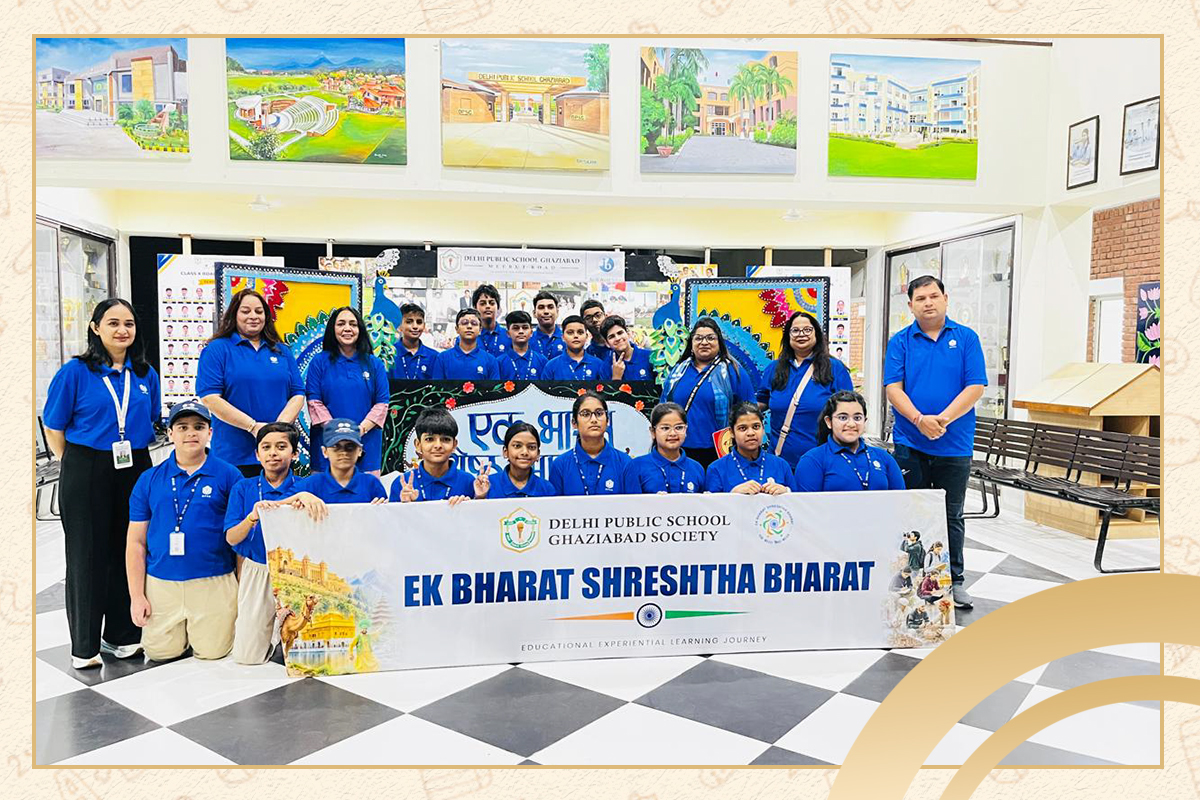
At DPSG Dehradun, the Educational Experiential Learning Journey under Ek Bharat Shreshtha Bharat (EBSB) campaign brings these connections to life through explorations of Himachal Pradesh and Punjab.
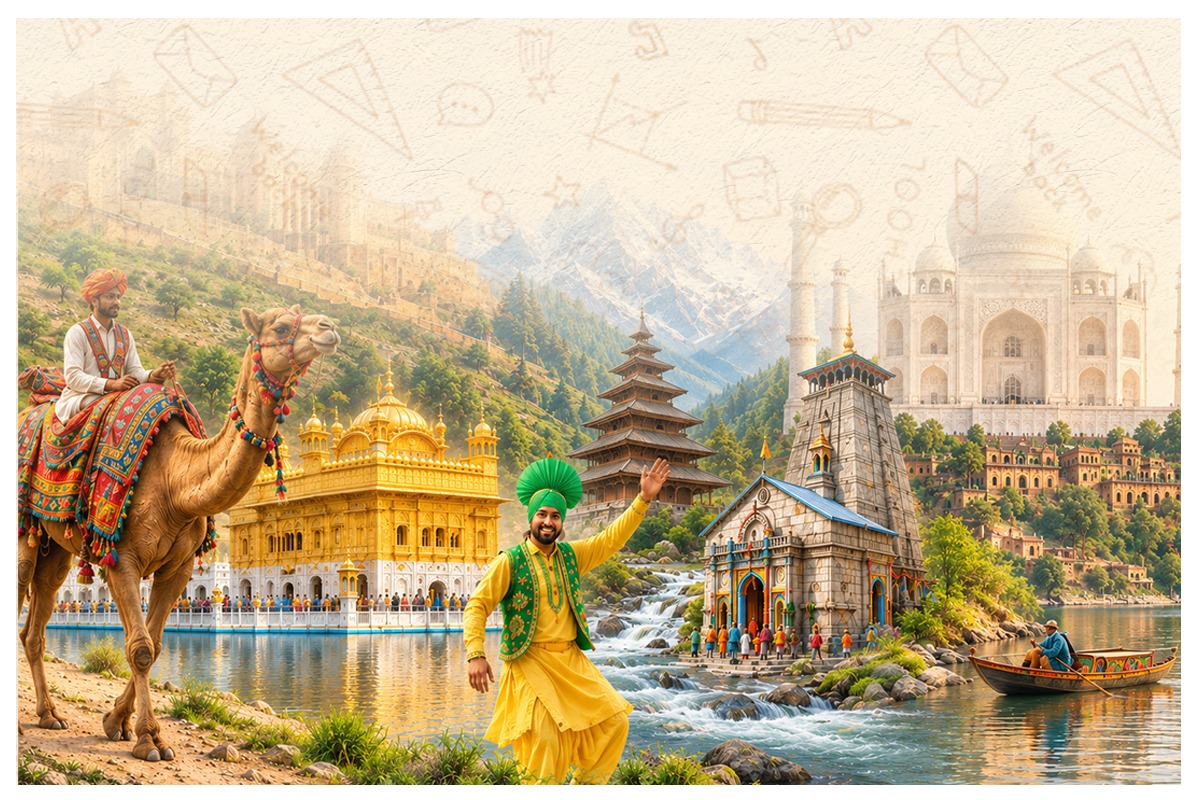
In Himachal Pradesh, students travel through Shimla, Mashobra, Manali, Kullu, Manikaran and Solang Valley. Shimla offers a window into India’s colonial history, while Mashobra’s forests and apple orchards introduce students to mountain ecology and horticulture. In Manali, Kath-Kuni architecture presents an example of building practices shaped by local conditions. Visits to Kullu and Manikaran bring together handloom traditions, religious heritage and the region’s distinctive cultural landscape. Solang Valley offers an opportunity to understand mountain geography, glacial formations and the relationship between natural resources and energy.
Meanwhile, students exploring Punjab encounter a different landscape, shaped by its own history, cultural traditions and economic strengths. In Chandigarh, planned urban design and the Rock Garden offer insights into architecture and creative reuse. At Anandpur Sahib, students explore Sikh heritage, while Ludhiana and Jalandhar provide a glimpse into agriculture, textiles and the sports-goods industry. In Amritsar, the Golden Temple, Jallianwala Bagh and the Partition Museum open avenues to reflect on faith, service, freedom and the human stories behind history. The Wagah Border adds another dimension to their understanding of national identity.
Though the destinations differ, both journeys reflect the spirit of Ek Bharat Shreshtha Bharat: discovering India’s diversity through direct experience and understanding the many histories, livelihoods and traditions that shape its shared identity.
What connects these experiences is the opportunity to learn by observing real places, people and practices. Students can explore how landscapes influence livelihoods, how industries develop around regional strengths, and how history and culture shape collective identities. Through EBSB campaign, experiential learning moves beyond memorizing information. It encourages students to ask questions, appreciate different perspectives and recognize the connections between India’s regions.
What students bring back from such journeys is therefore much more than photographs or memories of places visited. They return with stories, conversations, new perspectives and a greater appreciation of India's cultural richness. Perhaps that is what makes experiential learning so powerful. When students encounter another part of the country first-hand, diversity stops being a concept confined to a textbook. It becomes something they have seen, heard, shared and understood.
The journey ultimately offers a lesson that no textbook can deliver on its own: understanding a place begins with experiencing it, and understanding a country begins with appreciating the many stories that make it whole.