Rajasthan Beyond Textbooks: Learning Through Its Living Heritage
BY ADMIN PUBLISHED October 7, 2026, UPDATED October 12, 2026
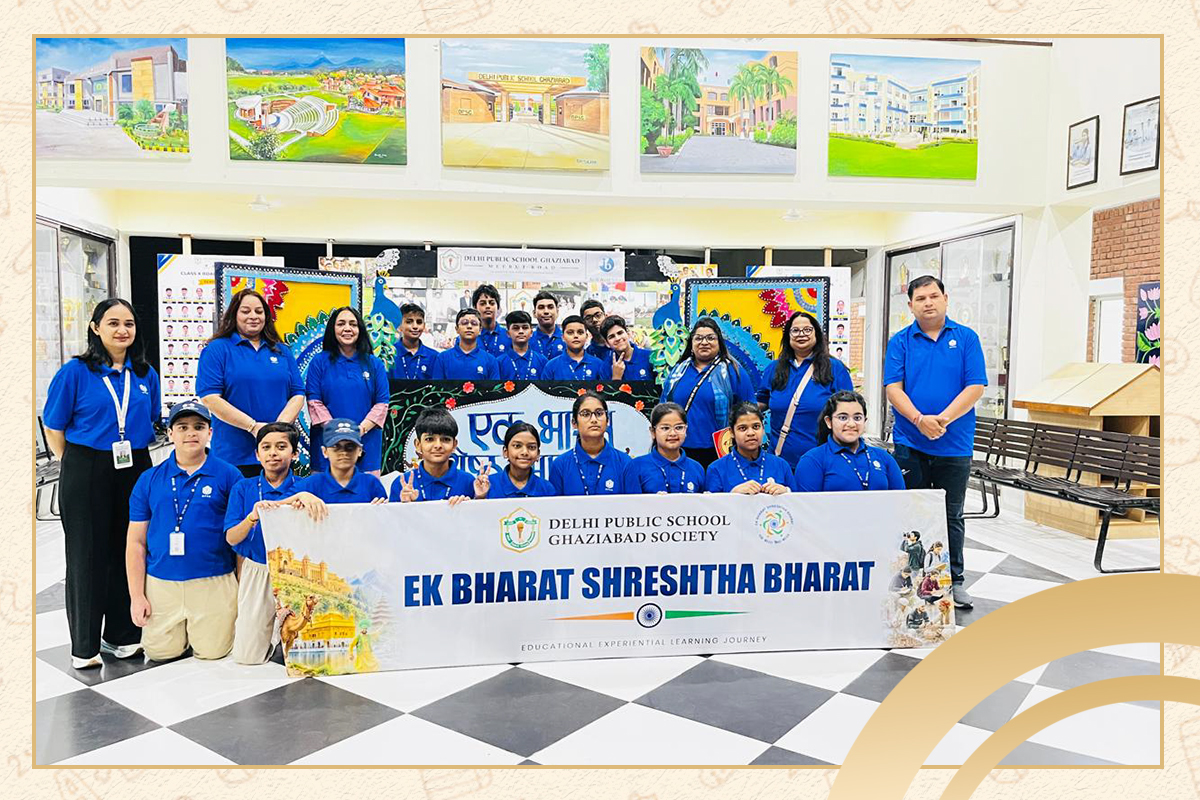
Can learning truly be confined to the four walls of a classroom? We believe, some of the most meaningful lessons begin when students step beyond familiar surroundings and encounter the world first-hand. This is the essence of experiential learning, and it finds a natural expression through the Ek Bharat Shreshtha Bharat (EBSB) programme. By encouraging students to travel, interact and engage with people from different parts of the country, EBSB campaign creates opportunities to understand India not merely as a collection of states and cultures, but as a living, evolving tapestry of experiences.=
Some lessons are best learnt outside the classroom. A fort can reveal the story of a kingdom, an ancient observatory can make astronomy tangible and a traditional craft can offer a glimpse into the lives and livelihoods of the people who keep it alive. At DPSG Vasundhara, the Educational Experiential Learning Journey under EBSB campaign gives students an opportunity to discover Rajasthan through its history, architecture, science and cultural traditions.
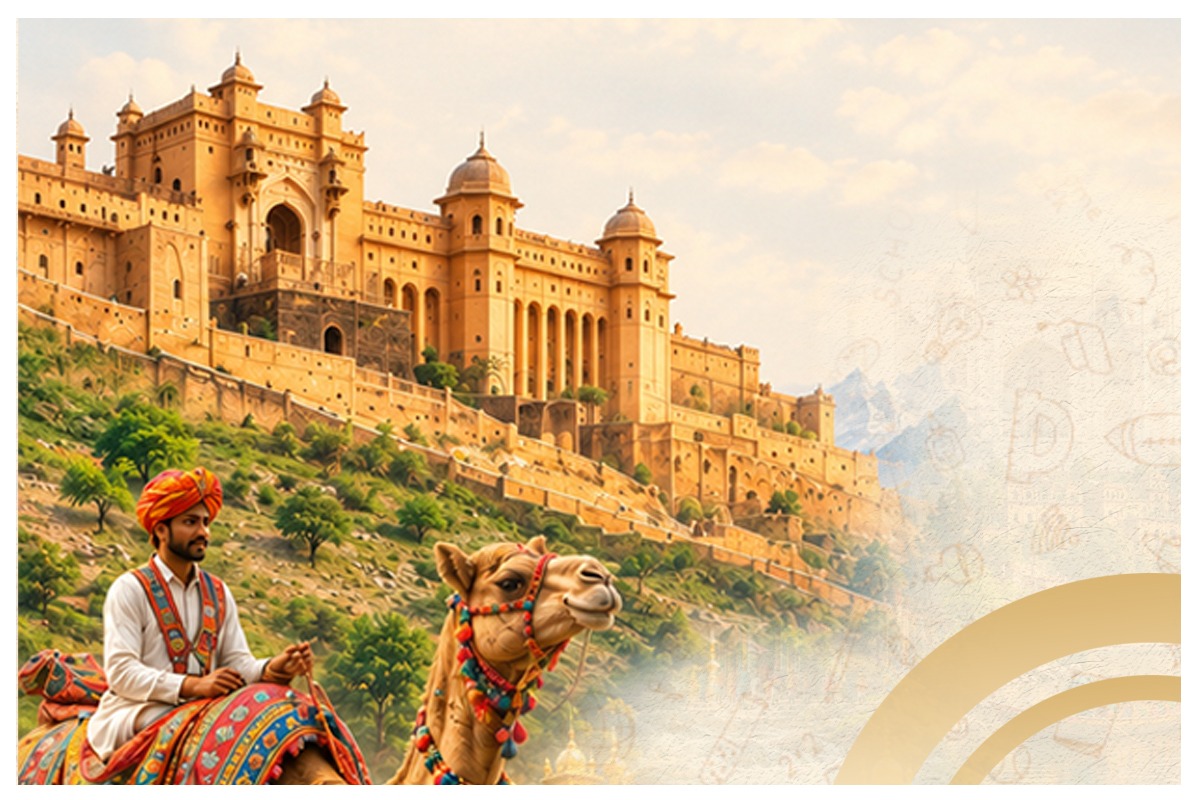
From Jaipur to Chittorgarh, Udaipur, Kumbhalgarh and Pushkar, the journey brings different aspects of Rajasthan into focus. At Amber Fort and City Palace, students can explore Rajput history and royal architecture. A visit to Jantar Mantar introduces them to the science of astronomical observation, while Chittorgarh Fort offers insights into the region’s history, defence systems and traditional water conservation practices. The journey continues through Udaipur’s artistic heritage and Shilpgram’s craft traditions, before introducing students to the remarkable fortifications of Kumbhalgarh and the rural livelihoods associated with Pushkar. These experiences help connect history, engineering, environmental awareness and local economies in ways that classroom lessons alone cannot fully capture.
The real value of experiential learning lies in making these connections. Students begin to see how communities adapt to their surroundings, how traditional knowledge addresses practical challenges and how art, architecture and livelihoods reflect a region’s identity. Through EBSB, the journey becomes more than an opportunity to visit new places. It encourages students to observe, ask questions and appreciate the many ways in which India’s diverse regions have evolved.
The lasting value of such a journey lies not only in the places students visit, but in the perspectives they return with. They carry back new experiences, a deeper appreciation of cultural diversity and a stronger sense of connection with the country they call home. Because when students step outside their familiar world to discover another part of India, they do more than learn about its diversity. They begin to understand the many dimensions of their own country and their own place within it.
When students experience history, science and culture in their living contexts, learning becomes more personal, memorable and meaningful. And that is the lasting value of taking the classroom beyond its four walls.