
How Technology Is Changing Education: Impact, Benefits, and Future Outlook
BY ADMIN PUBLISHED March 2, 2026, UPDATED May 6, 2026
Think about how classrooms looked a decade ago. Chalkboards, textbooks, notebooks, and a teacher explaining concepts at the front of the room. Now step into a classroom today.
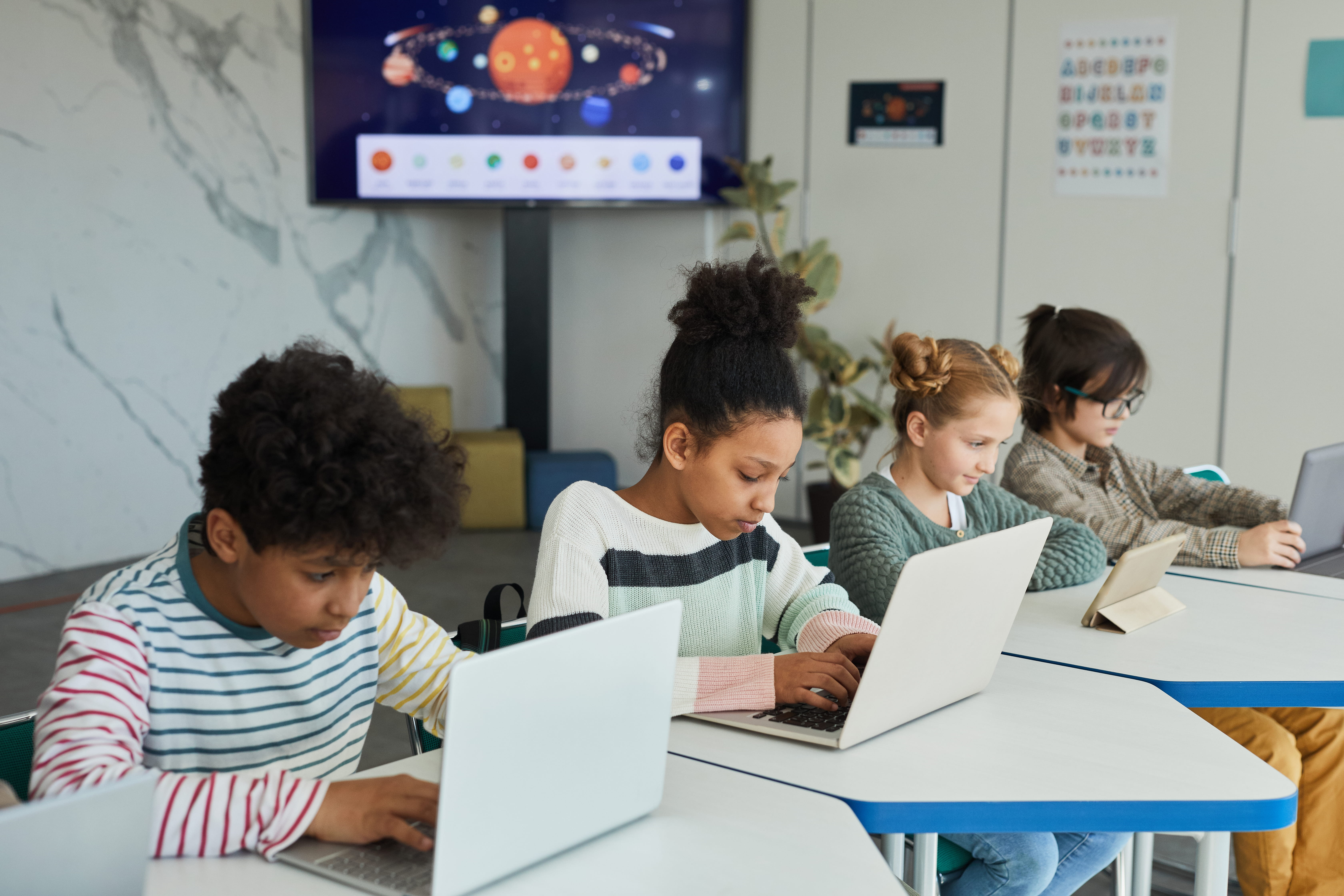
You’ll see smart boards, digital presentations, online assignments, and students accessing information instantly. This shift isn’t small. It’s a complete transformation in how learning happens.
The conversation around how technology is changing education is no longer theoretical. It is something students experience every day. But what does this change really mean? And how is it shaping the future of learning? Let’s break it down.
Understanding How Technology Changes Education
Before we discuss the changes in education driven by technology, let's first address how learning has changed. Previously, learning had been a one-way transaction. Teachers would provide information to students. Currently, learning is much more interactive and versatile thanks to technology. Now the students can:
- Take courses online
- Find study material right away
- Take part in virtual discussions
- Study at their own speed
When looking at how technology is changing education, the distinction between the previous and current methods of learning provides a simple explanation.
How Has Technology Affected Education in Daily Learning?
Looking closer at day-to-day classroom activities, how has technology influenced education in the classroom? As indicated above, technology has:
- Made information available quickly and easily
- Removed reliance on textbooks alone as a source of information
- Introduced visual and interactive forms of learning
- Provided quicker means of communication between teachers and Students
Many Students do not simply memories information. Rather, they investigate it. The effects of how technology is changing education are visible in how students learn, i.e., through inquiry rather than reluctance.
Benefits of Technology in Modern Classrooms
There are considerable advantages to this type of transition. Most of the benefits of using technology in modern classrooms have already been discussed in discussions on how technology is changing education. Some other benefits include:
- Increased participation through visual content
- Better comprehension of complex subject matter
- Access to global information
- Individualized learning experiences
Additionally, students who utilise digital tools typically discover learning more enjoyable. Not only are the benefits of how technology changes education based on ease of use, but also on enhancing the quality of learning.
Role of Technology in Supporting Different Learning Styles
Each student learns in his/her own unique style. Some understand via reading. Other individuals are better visual learners. Practical examples help others to understand. Thus, the response to how technology has affected education includes supporting diverse learning styles. Technology allows:
- Videos for visual learners
- Audio content for auditory learners
- Simulations for practical learners
These variations allow for greater inclusivity. The greatest advantage of how technology is changing education lies in the support of individual learning styles.
How Technology Is Changing Education for Teachers
Similarly, the conversion is not limited to students. Teachers have adapted greatly as well. The function of how technology changes education for teachers includes:
- Simplified preparation for lessons
- Available digital Teaching tools
- Monitoring student progress
- Giving personalised feedback to Students
The nature of teaching has transformed from merely lecturing to a more dynamic, interactive form of instruction.
Challenges of Technology in Education
Although we discussed how technology is changing education earlier, we should also identify some of the challenges associated with it. There are several issues with technology regarding education:
- Over-reliance on technology
- Distractions caused by content unrelated to education
- Reduced personal interactions among people
- Fatigue caused by screens
As previously stated, the impact of how technology changes education can either positively affect learning, depending on management, or negatively affect learning without proper balance.
How Technology Affects Student Focus and Discipline
One of the largest inquiries into how technology has affected education has focused attention. On a single device, students have access to both educational tools and potential distractions. Without discipline, there is little chance for effective learning. To manage this, students need:
- Structured study routines
- Limited screen time for non-educational use
- Clear academic goals
Understanding how technology is changing education includes learning how to use it responsibly.
The Rise of Online and Hybrid Learning
Another major change is the increasing number of online courses. Today, students engage in:
- Virtual classes
- On-line workshops
- Assignments digitally
Hybrid course combinations provide an opportunity for Students to integrate classroom instruction with online sources. This is a clear illustration of how technology is changing education; essay topics are increasingly becoming realities. In addition to providing geographical flexibility, learning no longer relies exclusively on a physical presence.
How Technology Encourages Independent Learning
Perhaps one of the most substantial results of this change has been greater student independence. No longer reliant on teachers for all the information students seek, students have developed the capacity to learn independently. The result of how technology is changing education includes:
- Encourage self-learning
- Develop research abilities
- Inspire curiosity among learners
Students can find answers to their own questions. In doing so, they gain confidence.
Role of Schools in Managing Technology Effectively
Technology alone does not guarantee better education. Schools play a key role in how it is used. In structured environments like the best school in Dehradun, technology is integrated thoughtfully. Schools ensure that:
- Students use technology for learning, not distraction
- Teachers are trained in digital tools
- Learning remains balanced
The effectiveness of how technology changes education depends on how well it is implemented.
Future Trends: What Lies Ahead?
The evolution of education will continue. Some anticipated innovations include:
- Artificial Intelligence in learning
- Virtual reality classrooms
- Personalised learning platforms
- Global collaboration opportunities
The conversation around how technology is changing education speech will continue to grow as new tools emerge. Education will become more flexible and student-focused.
Balancing Technology and Traditional Learning
Despite advances in technology, traditional forms of learning remain valuable. Interaction with peers, classroom conversations, and hands-on paper-and-pencil learning cannot be entirely replaced by technology. An optimal combination of both approaches is necessary. The greatest effect of how technology is changing education occurs when:
- Technology enables learning
- Teachers facilitate
- Students maintain discipline
Balance ensures quality education.
Final thoughts
Transformation in education is happening. Knowledge of how technology is changing education assists Students, teachers, and parents in adapting to these changes. Technology has made learning more accessible, interactive, and versatile.
Consequently, it has created some problems that must be recognised and controlled. Ultimately, the influence of how technology changes education comes from more than tools. Rather, it derives from the way tools are employed. In structured educational settings, such as the best school in Dehradun, the intention behind employing technology is to optimise learning while preserving core educational values.


