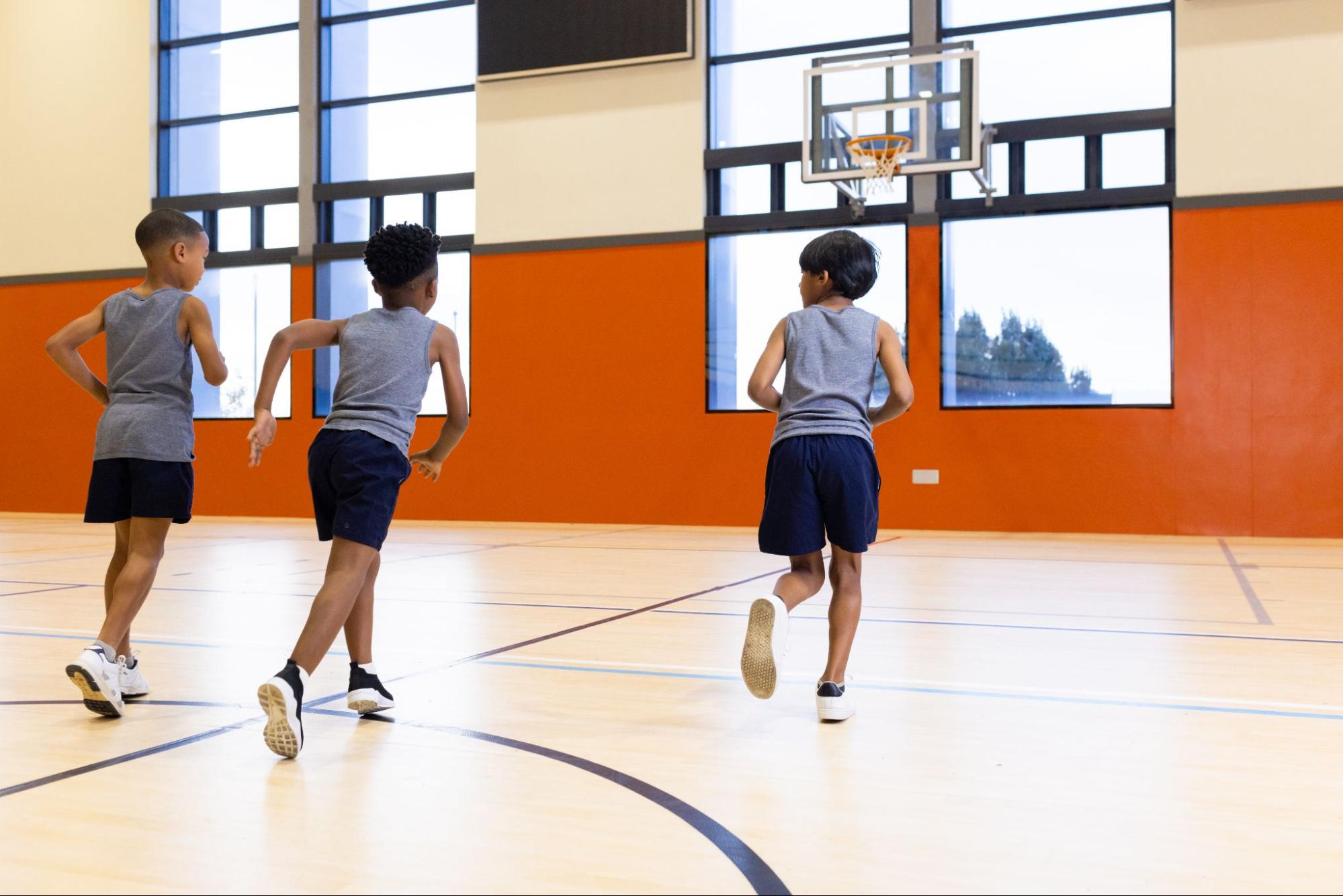
Why Sports Education is Important for Students
BY ADMIN PUBLISHED February 13, 2022, UPDATED August 19, 2026
Sports education is an essential part of a child's overall development, complementing classroom learning with physical activity and life skills. While academics build knowledge, sports help students develop discipline, teamwork, resilience, and confidence. The importance of sports for students extends beyond winning competitions, as regular participation supports physical fitness for students, emotional well-being, and stronger social connections.
Understanding the role of sports in education enables schools and parents to nurture balanced individuals prepared for academic and personal success. This article explores the importance of sports in students life, highlighting how structured sports programmes contribute to healthier, happier, and more confident learners.
Importance of Sports Education in Schools
Sports education plays a vital role in creating a balanced learning environment where students develop both academically and personally. Beyond improving physical health, sports teach responsibility, teamwork, perseverance, and leadership. The role of sports in education extends to helping children build confidence, manage challenges, and develop positive attitudes towards learning. Participation in regular sports activities also strengthens communication skills, encourages healthy competition, and promotes discipline inside and outside the classroom. Recognising the importance of sports in students life, schools integrate structured sports programmes to support holistic development, preparing students to become confident, responsible, and resilient individuals.
How Sports Improve Academic Performance and Personal Development
Participation in sports positively influences both academic achievement and personal growth. Regular physical activity improves concentration, enhances memory, and increases energy levels, enabling students to remain focused during classroom learning. The importance of sports for students also lies in developing teamwork, discipline, perseverance, and leadership skills that contribute to lifelong success.
Sports help students by:
- Improving concentration and classroom focus.
- Strengthening memory and learning abilities.
- Encouraging teamwork and collaboration.
- Building discipline through consistent practice.
- Promoting active learning and problem-solving.
- Developing confidence and leadership qualities.
- Supporting better academic performance through improved physical and mental well-being.
Role of Sports in Mental Health and Happiness
Sports do much more than improve physical health—they also play a significant role in supporting students' emotional well-being. Regular participation in games and physical activities helps reduce anxiety, improves mood, and promotes stress management for students. Exercise stimulates the release of serotonin and endorphins, often called the "feel-good" hormones, which contribute to happiness and relaxation. The importance of sports in students life also lies in helping children build resilience, confidence, and a positive outlook. By making sports a regular part of school life, students enjoy improved mental wellness and develop healthy habits that benefit them throughout life.
Sports contribute to mental well-being by:
- Reducing stress and anxiety levels.
- Improving emotional balance and resilience.
- Boosting serotonin and endorphin production.
- Promoting relaxation and better sleep.
- Increasing confidence and self-esteem.
- Encouraging a positive and healthy mindset.
Benefits of Physical Fitness Through Sports
Regular sports participation is one of the most effective ways to improve physical fitness for students. It strengthens muscles, improves flexibility, enhances cardiovascular health, and develops better coordination and balance. The benefits of sports in education go beyond physical strength by helping children maintain healthy lifestyles while improving their ability to concentrate and stay energetic throughout the day. Active students are also more likely to develop lifelong fitness habits that support overall well-being.
Some key physical benefits include:
- Stronger muscles and bones.
- Improved cardiovascular fitness.
- Better flexibility, balance, and coordination.
- Increased stamina and endurance.
- Healthy weight management.
- Higher energy levels for academic activities.
- Reduced risk of lifestyle-related health problems.
How Sports Help Students Discover Their Talents
Sports provide children with opportunities to explore their strengths beyond academics. Whether participating in athletics, team sports, swimming, or individual competitions, students develop confidence while discovering their natural abilities. The importance of sports for students also lies in helping them identify leadership qualities, teamwork skills, and personal interests that may shape future careers or lifelong passions.
Sports help students by:
- Identifying individual strengths and interests.
- Building confidence through achievements.
- Encouraging leadership and teamwork.
- Developing perseverance and resilience.
- Inspiring participation in competitive events.
Sports Culture at DPSG Dehradun
At DPSG Dehradun, sports are an integral part of holistic education, encouraging students to excel both inside and outside the classroom. The school provides opportunities to participate in a wide range of indoor and outdoor sports while promoting teamwork, discipline, and healthy competition. Through structured coaching, regular sporting events, and experiential learning, students develop confidence, resilience, and leadership skills in a balanced learning environment.
Key highlights include:
- Well-planned sports and fitness programmes.
- Focus on teamwork and discipline.
- Opportunities to participate in inter-school competitions.
- Interactive coaching for holistic student development.
Conclusion
Sports education plays a crucial role in shaping confident, healthy, and well-rounded individuals. Beyond improving physical fitness for students, it develops discipline, teamwork, leadership, and emotional resilience. Understanding the role of sports in education helps parents and schools create balanced learning experiences that support academic excellence and personal growth. By encouraging regular participation in sports, students develop lifelong habits that contribute to success both inside and outside the classroom.