Discovering Rajasthan: When Every Destination Becomes a Classroom
BY ADMIN PUBLISHED October 7, 2026 , UPDATED October 12, 2026
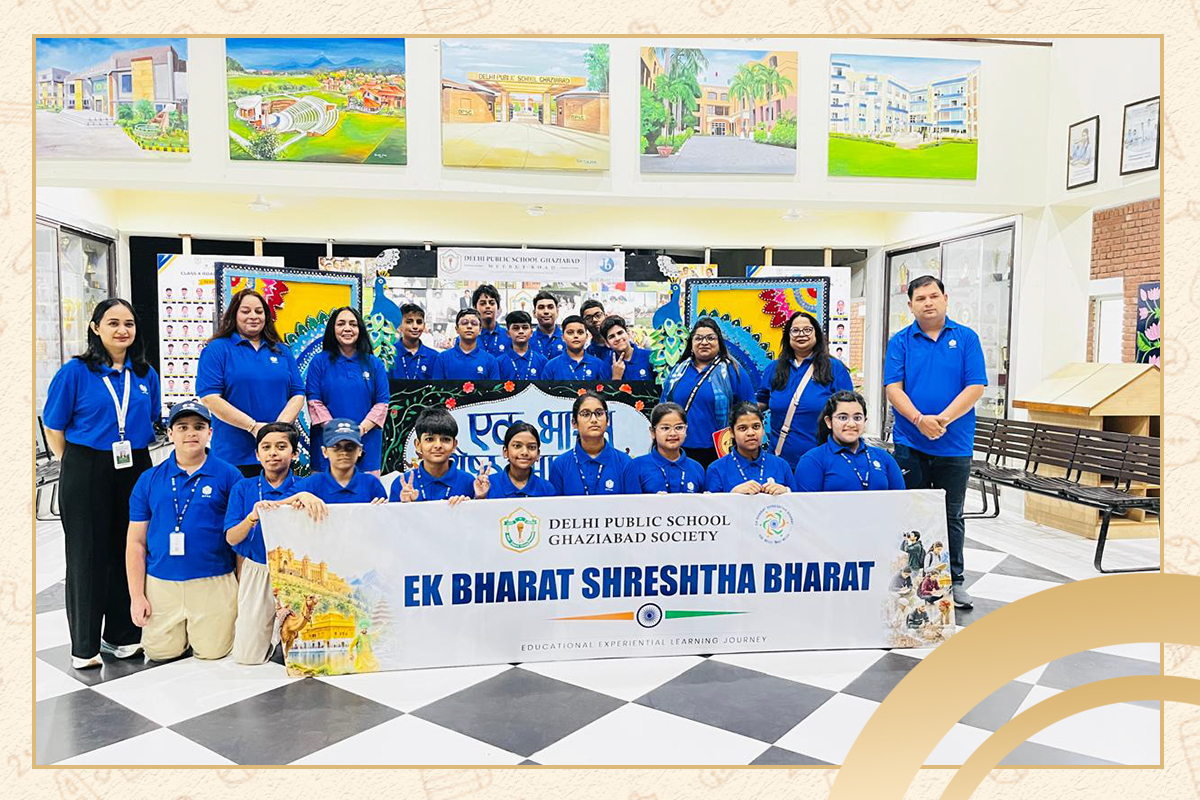
Some of the most meaningful lessons are not found within the pages of a textbook. They are discovered through conversations, journeys, observations and experiences that allow students to see the world from perspectives different from their own. Education must create space for these experiences and experiential learning provides an important pathway to achieve this. This philosophy finds a natural expression through the Ek Bharat Shreshtha Bharat (EBSB) campaign across DPSG Group. By encouraging students to travel across states, interact with new people and engage with different regional cultures, EBSB enables them to experience India's diversity first-hand and develop a deeper understanding of the many identities that together shape the country.
At DPSG International, this philosophy takes shape through the Educational Experiential Learning Journey under the EBSB campaign, where every destination becomes an opportunity to connect classroom concepts with the world around us. Here, the students learn about engineering from centuries-old forts, they bring astronomy to life through exploring the ancient observatory and learn about the community’s culture & economy by discovering the traditional crafts. Rajasthan, with its extraordinary mix of history, architecture, science and living traditions, offers a setting where curiosity can lead to meaningful discovery.
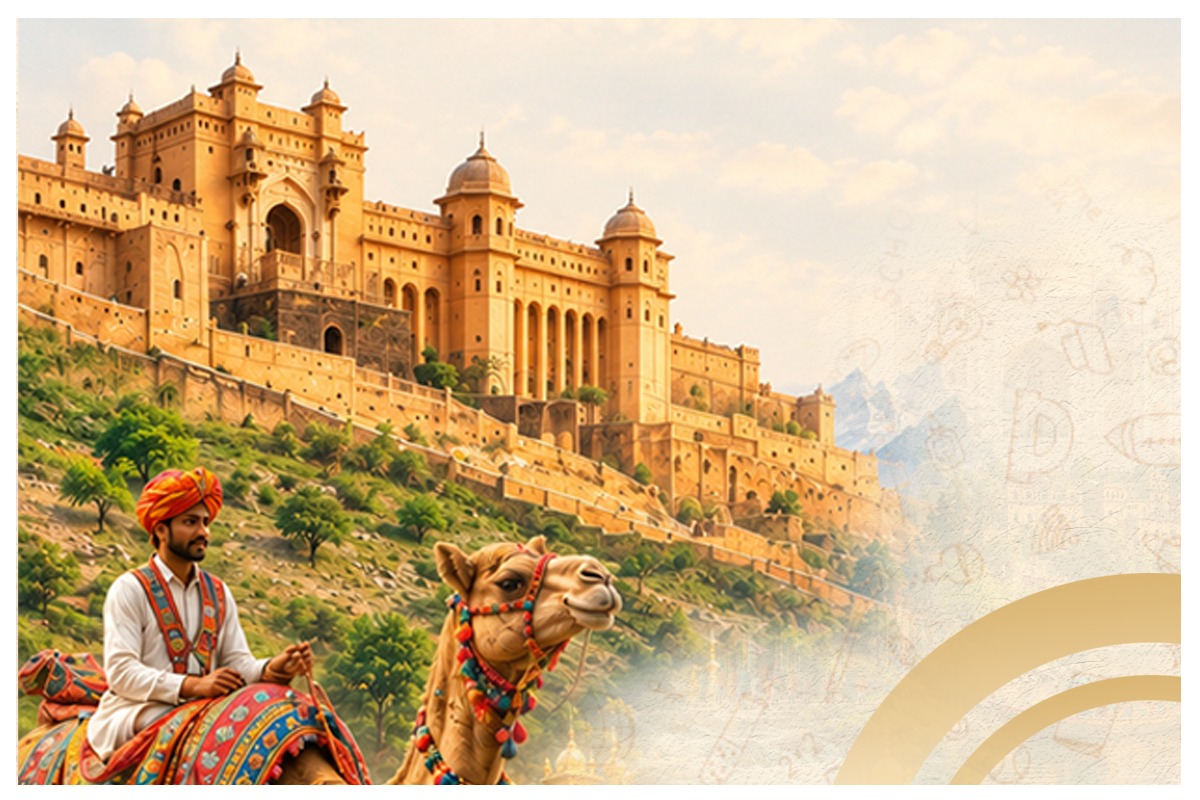
The journey through Jaipur, Chittorgarh, Udaipur, Kumbhalgarh and Pushkar introduces students to different facets of the state. At Jaipur’s Jantar Mantar, they can discover how astronomical observations were made long before modern instruments. The forts of Amber and Chittorgarh offer lessons in history, architecture and strategic planning, while the ancient water systems of Chittorgarh highlight the importance of conserving a precious resource. In Udaipur, the City Palace and Shilpgram open up conversations around royal heritage, traditional arts and craftsmanship. Kumbhalgarh presents an opportunity to examine the scale and ingenuity of historic fortifications, while Pushkar offers a closer look at local traditions and rural livelihoods.
These encounters make learning interdisciplinary by nature. A historical monument can prompt questions about mathematics and engineering; a craft workshop can lead to an understanding of design and enterprise; and a region’s approach to water can spark conversations about sustainability. This is what makes experiential learning so valuable. Students are not simply introduced to facts; they are encouraged to notice details, connect ideas and understand the people and practices behind them.
Through EBSB, Rajasthan becomes more than a destination on the itinerary for the students of DPSG International. It becomes an opportunity to develop curiosity, cultural sensitivity and a deeper appreciation of India’s shared heritage. The lessons gathered along the way are ones that students can carry well beyond the journey itself.
Ultimately, experiential learning is about creating understanding through experience. When students step outside their familiar surroundings and engage with another part of India, diversity moves from being a concept they study to a reality they encounter. And that is perhaps where the most meaningful learning begins- not simply in discovering another place, but in seeing the familiar idea they read in a textbook, now through a new lens.