From Seeing to Understanding: The Power of Reflective Learning
BY ADMIN PUBLISHED October 12, 2026
Sometimes, the most important question after a day of discovery is not “What did you see?” but “What did you learn from it?” The ability to pause, think and find meaning in an experience is what transforms a memorable day into a meaningful learning opportunity.
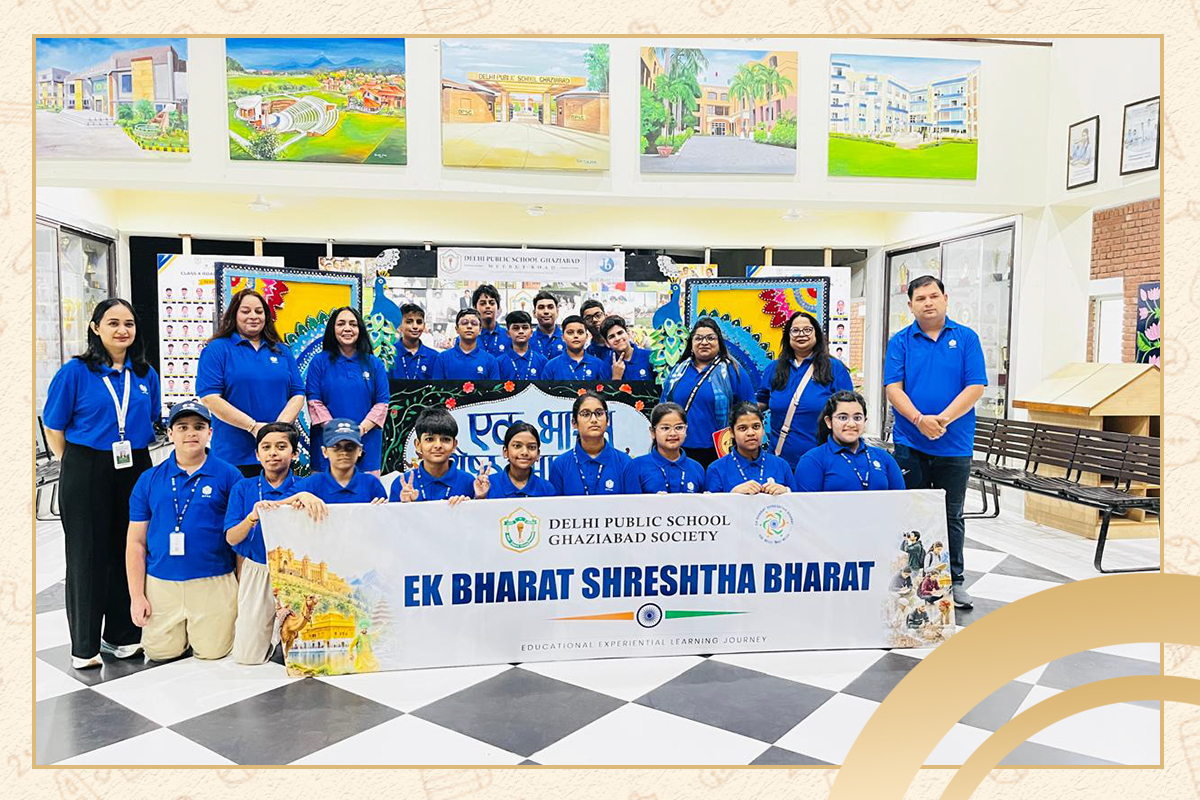
At DPSG International, the Educational Experiential Learning Journey under the Ek Bharat Shreshtha Bharat (EBSB) campaign gives students the opportunity to develop this habit through daily reflective journals. As they revisit their experiences, discuss their observations and put their thoughts into words, they learn to look beyond what is immediately visible and explore the ideas, stories and connections behind what they encounter.
The process is guided by ten learning lenses that encourage students to study a state's identity through multiple perspectives to make these reflections more meaningful. From history and architecture to science, environment, art, culture and livelihoods, these lenses help students recognise that a single experience can reveal different layers of understanding. They also make interdisciplinary learning more tangible, showing how scientific principles, cultural practices and historical developments often intersect. Recognising these connections, in turn, encourages students to move beyond observation and begin asking questions of their own.
Daily reflective journals are turning observations into informed thinking. As students document their experiences, they revisit what they have seen, identify what surprised them and consider what they would like to understand better. The process encourages them to organise their thoughts, examine their assumptions and communicate their conclusions with clarity.
The EBSB Reflections also creates space for individual interpretation. Students may notice different details, raise different questions or draw different connections from the same experience. Recording these responses allows them to develop their own voices while strengthening independent thinking and written expression.
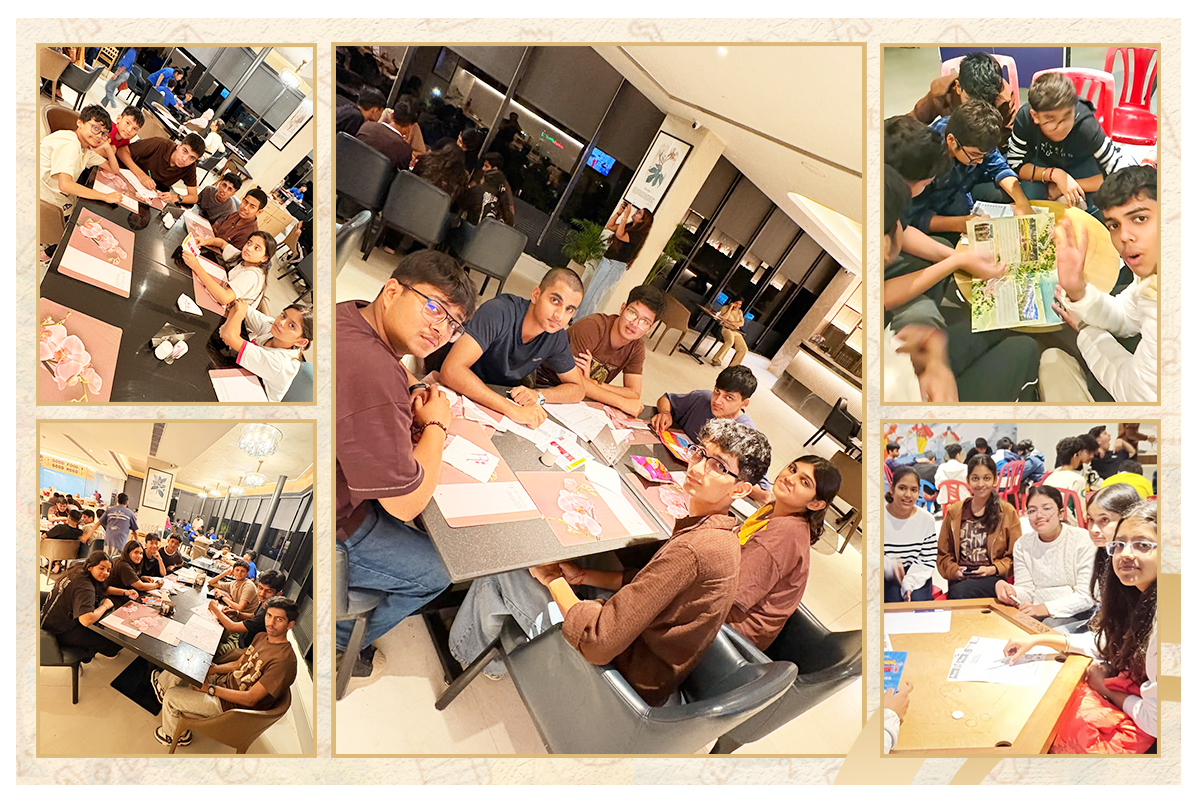
sWhile individual reflection allows students to explore their own interpretations, sharing these reflections introduces them to perspectives beyond their own. Discussions with classmates expose them to ideas they may not have considered and encourage them to listen, ask questions, explain their thinking and respectfully disagree. These interactions make learning a shared process, nurturing empathy, communication, teamwork and the ability to collaborate with others.
The reflective journal brings these individual and shared experiences together. It allows students to connect an observation with a question, a discussion with a new insight, and an experience with a broader understanding. And hence, students have an opportunity to recognise not only what they have learnt about the place they visited, but also how their own thinking is evolving.
Through the EBSB campaign, DPSG International reinforces the value of learning that extends beyond information and memorisation. When students are encouraged to observe carefully, question thoughtfully, interpret creatively and learn from one another, education becomes a more active and personal process. In this journey from seeing to understanding, reflection helps students turn everyday discoveries into lasting insights, equipping them to approach unfamiliar ideas and situations with curiosity and confidence.