
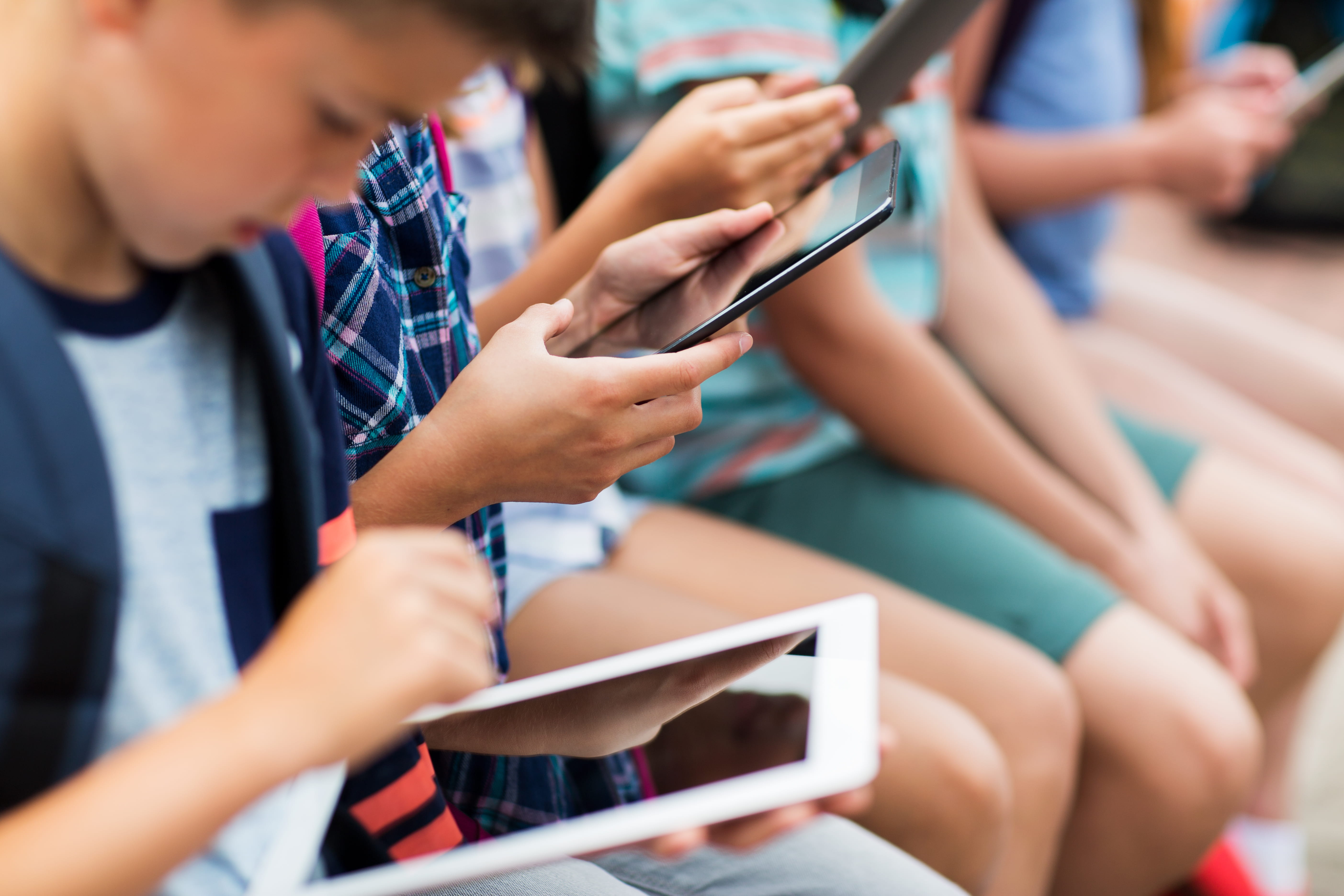
Impact of Social Media in Education: Benefits, Challenges, and Role in Learning
BY ADMIN PUBLISHED March 6, 2026 , UPDATED September 7, 2026
Summary
The article explores the impact of social media on education, highlighting how digital platforms support collaboration, communication, knowledge sharing, and access to learning resources. It also discusses challenges such as distractions, misinformation, cyber risks, and excessive screen time. The key focus is on promoting responsible social media use to enhance learning while minimizing its negative effects.
Social media is no longer just about sharing photos or maintaining contact with friends. It has also become a daily learning aspect for students in the modern world.
Having learned about the educational benefits of social media from watching educational videos to joining discussion groups, the effectiveness of social media in education is more evident than ever. However, just as with any other tool, there are benefits and difficulties associated with it.
It is not about whether students should use social media. It is how they should use it. To have the entire picture, we will examine both sides.
Key Takeaways
- Social media has transformed learning by making educational content more accessible.
- Students can collaborate, share ideas, and engage in discussions beyond the classroom.
- Educational communities on social platforms encourage peer-to-peer learning and knowledge exchange.
- Teachers can use social media to communicate updates, resources, and assignments effectively.
- Exposure to global perspectives helps students develop awareness and critical thinking skills.
- Excessive social media use can lead to distractions and reduced academic focus.
- Cyberbullying, misinformation, and privacy concerns remain significant challenges.
- Digital literacy and responsible online behavior are essential for safe usage.
- Balanced and supervised use of social media can improve engagement and learning outcomes.
- Schools and parents play a crucial role in guiding students toward productive digital habits.
What Is the Role of Social Media in Education?
Many educators and theorists must examine the value of social media in education beyond entertainment. The applications of social media are now applied in:
- Sharing study materials
- Partaking in group discussions.
- Obtaining lectures and tutorials.
- Collaborating on projects
Social media in education enables students to access information in real time. Studying has ceased to be confined to learning institutions.
Students can post questions, exchange ideas, and discuss concepts in a way that was not previously available. This change has enabled learning to become more active and available.
Positive Effect of Social Media on Education
We shall begin with the good ones. The benefit of social media in education is enormous when properly applied. Accessibility is one of the advantages. Students can learn from anywhere, anytime. The other important benefits are:
- Introduction to various opinions.
- Access to international learning material.
- Video and discussion interactive learning.
- Greater communication abilities.
Social networking is also vital to students through academic communities. Students have the opportunity to interact with fellow students with the same interests, share ideas, and learn together. Social media brings curiosity in numerous fields.
Enhancing Collaboration and Peer Learning
Collaboration is one of the best aspects of social media in education. Students cannot study alone anymore. They:
- Join study groups
- Share notes
- Discuss concepts
- Assist each other in solving problems
Peer learning is now more readily available through social media in education. Group discussions can lead to self-explanation, as students convey ideas in their own language. This enhances remembering and understanding.
Social Media as a Learning Resource
There is an abundance of educational content on social media platforms. Students can find:
- Short concept videos
- Detailed lectures
- Infographics
- Practice questions
The potential of social media in education is clearly evident when students utilize it as an addition to classroom learning.
In some cases, it is even better if a concept presented by someone online is explained in different ways. This adaptability favours diverse learning styles.
Importance of Social Networking to Students
Social networking is important not only to students' academics. It helps in:
- Building connections
- Sharing knowledge
- Skills in communication development
- Keeping abreast with the times
Students learn to voice their opinions, discuss, and socialise with people holding various points of view. These are life essential skills. Social networking can be used responsibly to support personal and academic development.
Negative Effects of Social Media on Education
Although the positive side of this matter is obvious, it is impossible not to mention the negative impact of social media on education. Distraction is a major concern. The students usually have educational goals in mind, but get distracted by non-productive information. Other challenges include:
- Reduced attention span
- Time wastage
- Sensitisation to instant information.
- Exposure to misinformation
The influence of social media in learning is disadvantageous when it is not moderated. Balance is critical.
How Social Media Affects Focus and Productivity
The first thing affected by overuse is focus. The habit of constant waves of notifications and scrolling disrupts the studying process. The adverse impact of social media on education may be observed in:
- Incomplete study tasks
- Lower concentration levels
- Reduced study time
- Students might be busy and not productive.
Awareness of how social media can be used in educational settings involves understanding when it can really assist and when it can be detrimental. Awareness is important.
Managing Social Media Use for Better Learning
The answer is not to be totally disconnected from social media. It is to manage it. In order to enhance the application of social media in learning, a student can:
- Set fixed time limits
- Utilise special academic platforms.
- Do not study and work at the same time.
- Adhere to learning materials rather than distractors.
Once students learn about the effects of social media on education, they are able to make wiser decisions. Better results come with control.
Role of Schools in Guiding Social Media Usage
Schools are influential in shaping digital behaviour. Students can be taught by the educational institutions about:
- Responsible usage
- Relevant credible information
- Keeping records in order of rotation
Digital literacy is increasingly being given attention in progressive schools and colleges, such as the best international schools in Ghaziabad. Students are also taught to use social media as a learning tool rather than a distraction. This advice cannot be ignored.
Social Media and Skill Development
Social media can help with skill-building when used effectively. Students improve:
- Communication skills
- Research ability
- Critical thinking
- Digital literacy
One of the benefits of social media in the education sector is its role in preparing students for the new world of communication and information systems. Such talents are not useful only in academics.
Balancing Online and Offline Learning
Social media is convenient, but offline learning is significant. The depth is created through face-to-face discussions, classroom interaction and written practice. Social media use in education has been found to be most effective when combined with conventional learning methods. Students should aim for:
- Balanced screen time
- Active participation in the classroom.
- Structured study routines
- Balance is a guarantee of effectiveness.
Future of Social Media in Education
The importance of social media will only increase. Future trends may include:
- More educational platforms
- Learning communities based on interaction.
- Recommendations of personalised content.
- More cooperation between nations.
With technological development, the use of social media in the education sector will continue to grow. Those students who learn to take it in moderation will be the greatest beneficiaries.
Final Thoughts
The impact of social media in education is both powerful and complex. It offers opportunities for learning, collaboration, and growth. At the same time, it presents challenges that require discipline and awareness.
The use of social media in education should be intentional, not habitual. When students understand the positive effect of social media on education and remain cautious about the negative effect of social media on education, they can create a balanced learning environment.
In structured academic settings, such as leading international schools in Ghaziabad, guidance helps students use technology responsibly. Because social media is not the problem. How it is used makes all the difference.


