
Smart Classroom Technology: Benefits, Tools, and Innovative Teaching Methods
BY ADMIN PUBLISHED April 3, 2026, UPDATED June 12, 2026
Overview Summary
This blog explores how smart classroom technology is transforming modern education through interactive tools and innovative teaching methods. It explains what a smart classroom is and highlights key tools like a smart board for the classroom. The blog also covers the benefits of technology in education and the growing use of technology in teaching and learning. Featuring insights from a private school in Faridabad, it shows how smart classes education enhances engagement, understanding, and future readiness for students.
Introduction
Modern technology has a profound impact on practices around pedagogy, especially smart classroom technology. The method of teaching and learning has moved away from the archaic style of teaching the class to an interactive style. There is much inquiry, especially by teachers and parents, on what constitutes a smart classroom, as well as the technology that could allow for the most efficient learning. A smart classroom makes lessons more interactive, student-centred, and effective through multiple technologies, digital tools, and interactive multimedia.
Use of technology in teaching and learning has helped quicken the learning process, as well as attain the goals set for the learning. Schools provide a smart classroom through multiple technological resources, from a smart board to digital resources.
The Concept Behind a Smart Classroom
With the advancements in pedagogy and the teaching methods adopted, what constitutes a smart classroom is a space that has been designed to incorporate technology in teaching and learning procedures and can access the inter-web (internet and utilise digital resources and other resources available in multimedia. Compared to other forms of teaching, real smart classrooms advocate for more learning through interactions, collaborations and visual stimulations.
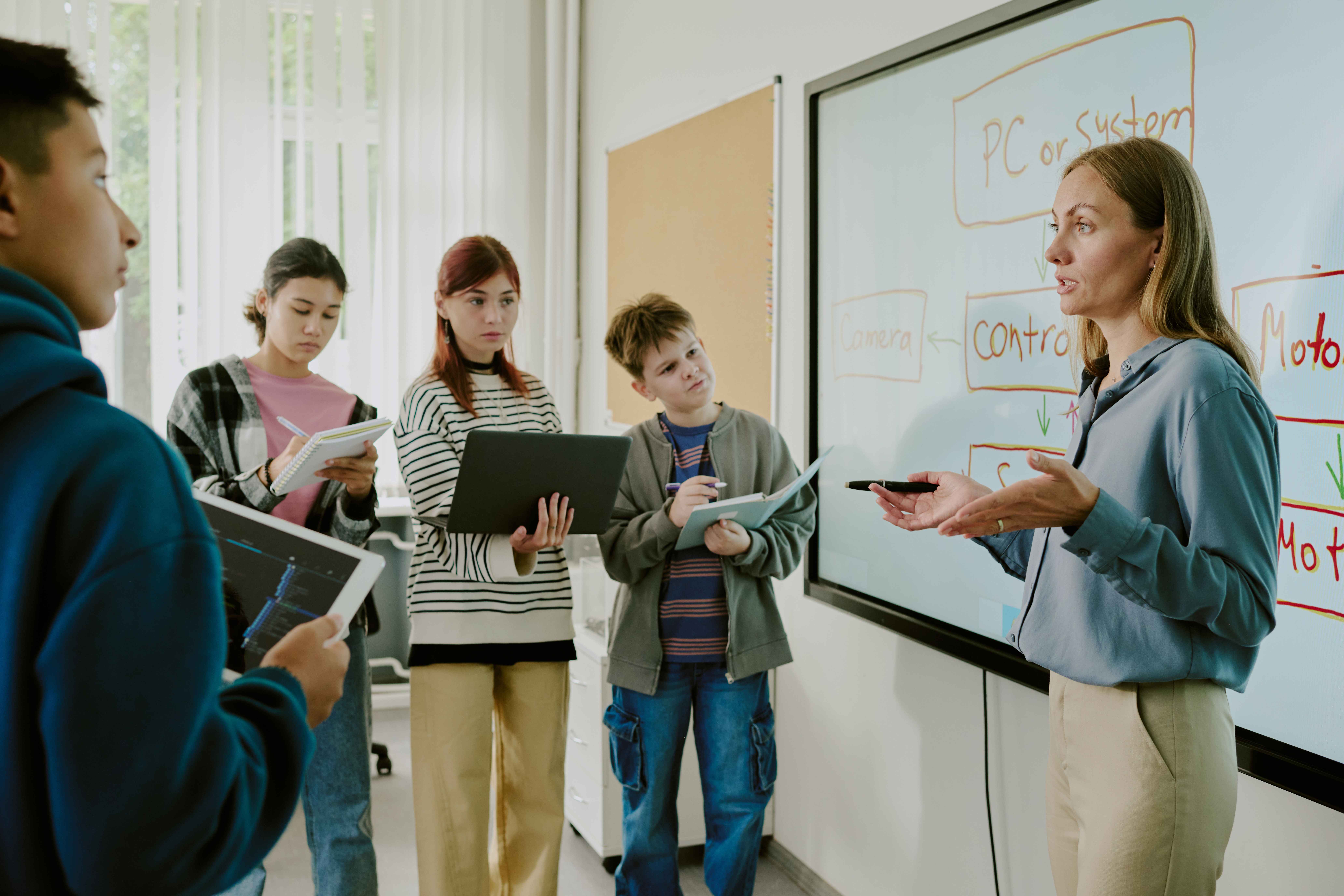
Smart classroom technology consists of four major tools: an interactive board, projectors, tablets and the use of various online resources. Technology in the classroom makes teaching and learning more streamlined and simpler. The tools of technology help to convert classes into more engaging sessions.
Tools That Make a Classroom Smart?
1. Classroom SmartBoard: A Classroom SmartBoard represents cutting-edge innovation in the learning space. Educators can adjust lessons visually and even include interactivity. Educators can also adjust content based on the needs of the pupils. Since the SmartBoard incorporates videos, images, and texts, it makes learning a lot more fun.
2. E-learning Apps: E-learning Apps allow instant access to learning resources. They also enable the completion of educational tasks and assessments, and enable remote learning irrespective of boundaries.
3. Tablets and Other Devices: The introduction of tablets and laptops to the education space has complemented the efforts vis-à-vis the completion of educational tasks and assessments. They also enable remote learning and offer other educational resources.
4. Rich Media: Rich media introduces videos and animations to instructional learning and replaces the traditionally dull learning materials. They make learning spaces even more exciting.
Advantages of IT in Education
The advantages of information technology in education lie in its ability to make learning more interactive, accessible, and personalized for students across diverse learning environments.
1. Better Learning
Learning spaces have been made more appealing to remain interactive, fun, and competitive. IT has also provided real-time progress reports for each pupil.
2. Better Comprehension
Integration of digital learning resources has aided educators in becoming more methodical in addressing topics. This integration has also introduced more models and ways to clearly visualise complex topics and positively deepen understanding.
3. Measurable Learning
Use of IT in the learning space has enabled educators to track individual progress for a more personalised learning experience. This has also aided collective understanding for the entire learning group.
4. Enhanced Collaboration
Digital platforms make it possible for students to develop collaboration and communication skills by working together to complete tasks.
5. Expanded Learning Opportunities
The increasing availability of online resources allows for an almost limitless range of educational materials, taking learning beyond the traditional textbook.
Quality Teaching Methods
1. Modified Lecture Approach: This teaching framework allows for independent study of lesson content, followed by participation in lesson activities and discussions during class time.
2. Integration of Video Games: Lessons are structured in a manner that incorporates the elements of rewards and contests that are common in video games to make class attendance easier and learning more enjoyable.
3. Education via Real-Life Components: Realistic classwork having a defined completion date fosters learners' ability to formulate solutions and evaluate their skill in critical analysis.
4. Combined Education Approach: This approach streams together in-person and virtual lesson attendance.
Effects of Technology on Teaching and Education
The use of technology in teaching and learning has positively affected the educational system. Learners can access more resources than ever before, while instructors can design lessons that include more interaction and can assess students.
Educators can also create a dynamic learning environment and instruct lessons in a manner that promotes equity and inclusivity. These attributes can also be found in the resources available to learners.
Significance of Smart Classes Education
Smart classes education has a positive impact on the ability of learners to construct valid arguments and foster independent as well as creative thought, and the overwhelming majority of skill-based education has a positive effect on learners' aptitudes for education, the predominant technologies of the future.
1. Enhances Critical Thinking
Smart classes encourage students to analyse information, question concepts, and form logical conclusions. Interactive tools and visual content help learners understand complex topics deeply, enabling them to construct valid arguments and think independently, which are essential skills for academic success and real-world problem-solving.
2. Promotes Creative Learning
Digital tools, animations, and multimedia content inspire creativity in students. Smart classes allow learners to explore ideas beyond textbooks, encouraging innovation and imagination. This environment helps students express themselves better and develop creative thinking skills that are valuable in modern education and future careers.
3. Supports Skill-Based Education
Smart classes focus on practical learning and skill development rather than simply memorisation. Through interactive activities and real-world applications, students develop essential skills such as problem-solving, communication, and collaboration, preparing them to adapt to evolving educational and professional environments effectively.
4. Improves Engagement and Participation
Interactive technologies make learning more engaging and enjoyable. Students are more likely to participate actively in lessons when visuals, videos, and digital tools are involved. This increased engagement leads to better understanding, improved retention, and a more dynamic and inclusive classroom experience.
5. Prepares Students for Future Technologies
Smart classes expose students to modern technological tools and digital platforms. This familiarity helps them adapt to future innovations and career demands. By integrating technology into education, students gain confidence in using digital resources, making them better prepared for a technology-driven world.
DPSG Faridabad
Delighted by the reputation of being one of the most progressive-thinking private schools in Faridabad, DPSG, Faridabad has shown immense potential in contributing to the improvement of modern educational practices across India. Utilising smart classroom technology, the school makes the classroom experience more enjoyable and productive. With the help of advanced tools and experienced faculty, the school meets and serves the needs of students academically, while helping them be innovative in tomorrow's world.
Issues with Smart Classroom Technology
Smart classroom technology has its advantages, including high levels of pupil participation. But the problems include high setup costs, teacher training needs, and tech breakdowns. Improvements on the above issues are a concern in order to address the potential of digital learning environments.
Smart Classrooms in the Future
The future of learning is in the learning technology itself. Sometime in the future, Artificial Intelligence, Virtual Reality, and Data Analytics learning technology will define and further the advantages of learning technology.
Conclusion
Smart classroom technology has transformed both teaching and learning into a more dynamic and effective experience. Knowing what a smart classroom is brings further appreciation to its importance in teaching today. The smart classroom blackboard and other tools/pedagogical strategies have developed significantly to improve teaching and learning. The benefits of teaching with technology have led to improvement in accessibility and personalisation of learning to give students better outcomes.
The DPSG, Faridabad, is one of the few prominent schools using this kind of technology to teach students and make them ready for a world with technology. The technological impact on teaching and learning has helped students in more ways than academically, and provided them with life skills to succeed.