
How Contemporary Education Is Transforming Traditional Classrooms
BY ADMIN PUBLISHED June 9, 2026, UPDATED January 1, 1970
Overview
Education in India is changing faster than at any point in its recent history. The classrooms of 2026 look, feel, and function very differently from those of a decade ago, and the shift goes far deeper than technology or updated textbooks. Contemporary education represents a fundamental rethinking of what schools are for, how students learn most effectively, and what capabilities genuinely prepare young people for the world they will actually inhabit. This blog explores what that transformation looks like in practice, why it matters, and how DPSG Meerut Road, Ghaziabad, is leading it.
Introduction
For most of its history, the Indian classroom operated on a consistent model: a teacher at the front, students in rows, knowledge flowing in one direction, and examination performance as the primary measure of success. The model was efficient at producing certain outcomes. It was less effective at producing others' curiosity, critical thinking, creative confidence, collaborative ability, and the emotional resilience that determines how well a young person navigates a complex, rapidly changing world.
Contemporary education doesn't discard what worked in traditional classrooms. It builds on those foundations while addressing what traditional approaches consistently left undeveloped. Understanding what that shift actually involves, and why it matters for students in Ghaziabad and across India, is worth paying attention to.
What Is Contemporary Education At Its Core
Contemporary education's meaning is often obscured by vague terminology, innovation, 21st-century skills, and holistic development, which sounds significant without explaining anything concrete. Here's what it actually means.
1. Moving From Passive Reception to Active Engagement
It is an approach that treats students as active participants in their own learning rather than passive recipients of information. Instead of absorbing and reproducing content, students question, investigate, apply, and create, developing genuine understanding rather than surface familiarity.
2. Developing the Full Range of Human Capability
Contemporary learning addresses intellectual, emotional, social, creative, and physical development simultaneously, recognising that academic knowledge alone is insufficient preparation for adult life, professional environments, and the interpersonal demands students will face beyond school.
3. Aligning Education With How the Brain Actually Learns
Neuroscience research over the past two decades has fundamentally changed our understanding of how learning happens and what makes it stick. Contemporary education incorporates these findings through spaced learning, active recall, collaborative problem-solving, and emotionally safe environments that support genuine cognitive engagement.
The Contemporary Education System in India: Where It Stands
The contemporary education system in India is at a genuine inflexion point. The National Education Policy 2020 represents the most significant structural reform in Indian education in decades, shifting emphasis from rote learning and examination performance toward competency-based assessment, multidisciplinary learning, and the development of critical thinking from the earliest school years.
1. From Rote Learning to Conceptual Understanding
The most significant shift in contemporary education in India is the move away from memorisation as the primary learning strategy toward genuine conceptual understanding. Students who understand why something works, not just what the answer is, can apply their knowledge flexibly, adapt to new problems, and retain information significantly longer.
2. Technology as a Learning Tool, Not a Replacement for Teaching
Contemporary learning in Indian schools increasingly incorporates digital tools, interactive boards, learning management platforms, simulation software, and collaborative online environments, not as replacements for quality teaching but as tools that extend what quality teachers can achieve with individual students and diverse learning styles.
3. Assessment That Reflects Real Understanding
Traditional assessment in Indian schools measured memory and speed under examination conditions. The contemporary education system in India frameworks increasingly incorporate project-based assessment, portfolio evaluation, peer review, and continuous formative feedback, approaches that give a more accurate and complete picture of what students actually know and can do.
How Classroom Practice Is Changing at the Delivery Level
Let’s have a look at some pointers stating what contemporary teaching methods are in practice, and how they differ from what most parents experienced in their own schooling.
1. Inquiry-Based and Project-Based Learning
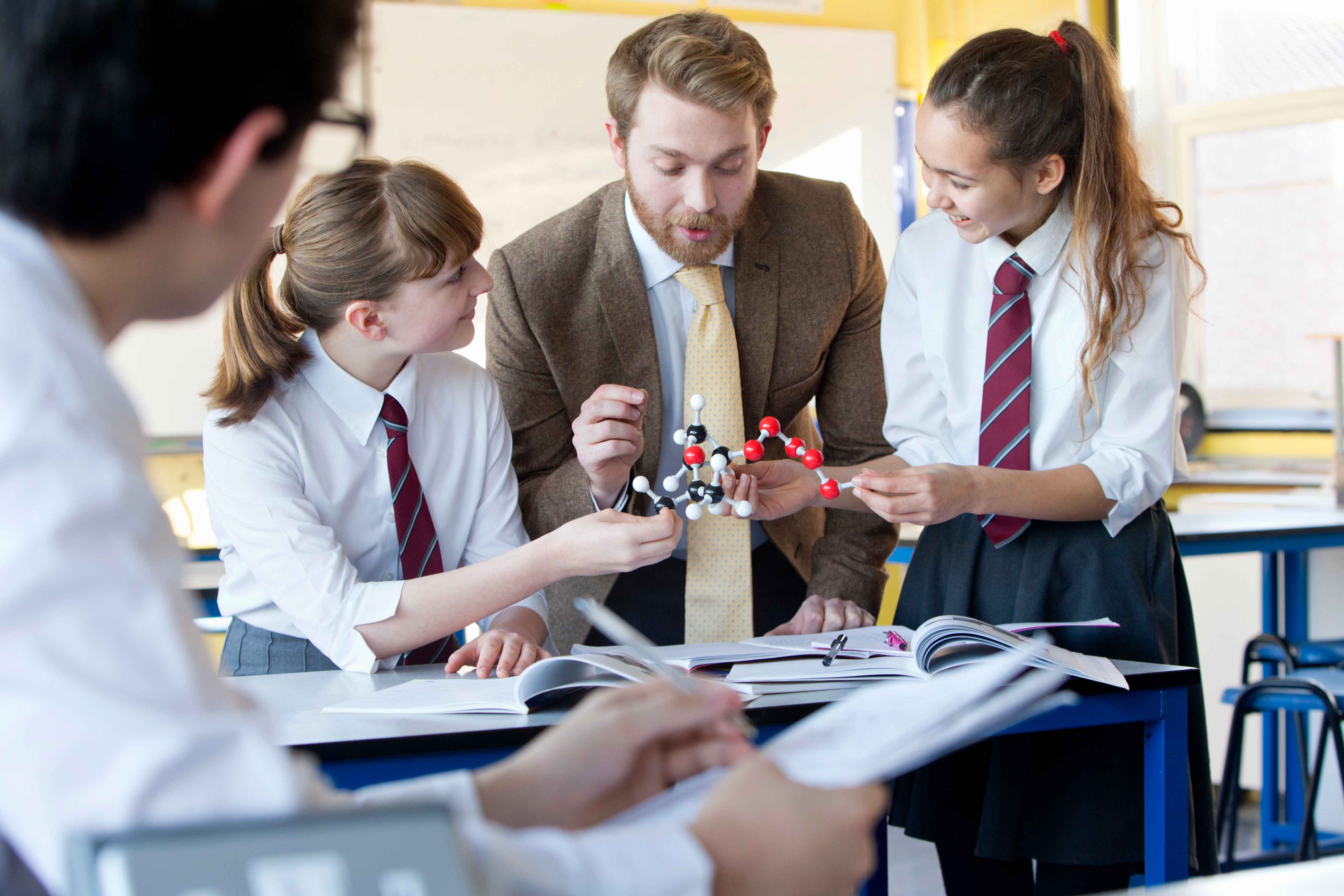
Rather than delivering information and testing recall, contemporary teachers design learning experiences around genuine questions and real problems. Students investigate, collaborate, present findings, and defend conclusions, developing research skills, communication capability, and intellectual confidence simultaneously.
2. Differentiated Instruction for Individual Learners
Contemporary learning recognises that students in any classroom learn at different paces, through different modalities, and with different prior knowledge. Differentiated instruction, where teachers adapt content delivery, task complexity, and support level to individual student needs, produces better outcomes across the full ability range than standardised one-size-fits-all delivery.
3. Social-Emotional Learning as a Curriculum Priority
Contemporary education treats emotional intelligence, self-regulation, empathy, and interpersonal communication as curriculum priorities rather than extracurricular extras. Students who develop social-emotional competence alongside academic knowledge perform better academically, experience less anxiety, and build more productive relationships throughout their lives.
4. Collaborative and Peer Learning Structures
Group projects, peer teaching, structured discussion, and collaborative problem-solving are central to contemporary teaching methods because they develop the collaborative capability that professional environments require, while simultaneously deepening individual understanding through the process of explaining, debating, and building on ideas with others.
DPSG Ghaziabad: Contemporary Education in Practice
DPSG Meerut Road, Ghaziabad, brings the principles of contemporary education to life in a learning environment built around the whole child. The school's approach integrates inquiry-based learning, social-emotional development, technology-enhanced teaching, and continuous assessment into a coherent program that prepares students not just for examinations but for everything that follows.
With qualified educators trained in contemporary teaching methods, well-designed learning spaces, and a curriculum framework aligned with NEP 2020 principles, DPSG Ghaziabad represents what genuinely forward-thinking education looks like in the Ghaziabad context, grounded, rigorous, and built for the world students will actually inhabit.
Why Contemporary Education Matters More in India Right Now
The world Indian students will graduate into looks fundamentally different from the one their parents navigated. Automation is changing the professional landscape rapidly; roles that reward memorisation and rule-following are increasingly performed by machines, while roles that reward creativity, critical thinking, collaboration, and adaptability are expanding.
Contemporary education in India isn't a trend or an import from Western educational philosophy. It is a pragmatic response to what the evidence says about learning, what the economy is demanding, and what students genuinely need to build capable, fulfilling lives.
Read Also : Unveiling the Academic Excellence of DPSG: A Journey of Strong Results
Conclusion
Contemporary education represents the most significant and necessary evolution in Indian schooling in generations, not because traditional education failed, but because the world students are preparing for has changed fundamentally. Contemporary learning that develops the full range of human capability, intellectual, emotional, social, and creative, produces students who are genuinely ready for what comes next.
Schools like ours, DPSG Meerut Road, have committed to this approach and are not simply following a trend. They are building the kind of education that the evidence, the economy, and the students themselves are asking for.
.jpg)
.jpg)
.jpg)