
Why Communication Skills Are Essential for Students & How to Improve
BY ADMIN PUBLISHED June 17, 2026, UPDATED January 1, 1970
Overview Summary
Strong communication skills for students are no longer optional; they are essential. This blog explores the importance of communication skills in education, practical activities to improve communication skills for students, and how institutions like DPSG Vasundhara nurture confident communicators. Whether you are a parent or educator, discover actionable strategies to help every child find their voice and thrive.
Introduction
In today's fast-evolving world, academic knowledge alone is no longer enough to guarantee success. Communication skills for students have emerged as one of the most critical life competencies, shaping how young minds express ideas, build relationships, resolve conflicts, and lead others. From classroom presentations to future job interviews, the ability to communicate clearly and confidently defines outcomes at every stage of life. Understanding the importance of communication for students early on equips them with tools that go far beyond textbooks, preparing them for real-world challenges with clarity, empathy, and purpose.
What Are Communication Skills and Why Do They Matter for Every Student Today?
Effective communication skills for students encompass speaking, listening, writing, and non-verbal expression, the four pillars that determine how successfully a student interacts with the world around them.
Communication Skills in an Academic and Social Context
Communication skills for students go beyond simply speaking fluently. They include active listening, articulating thoughts clearly, reading body language, and writing with precision. In academic settings, these skills help students participate in discussions, present ideas confidently, and collaborate effectively with peers. Socially, strong communication builds empathy, reduces misunderstandings, and helps young learners navigate complex interpersonal relationships with greater emotional intelligence and self-awareness throughout their formative years.
Why Communication Is Important in Life
Understanding why communication is important in life starts with recognising that every meaningful human interaction depends on it. Career success, personal relationships, mental health, and social integration all hinge on how effectively a person communicates. Students who develop strong communication habits early are better equipped to handle job interviews, lead teams, negotiate conflicts, and advocate for themselves, making it one of the most universally valuable skills anyone can invest in developing from a young age.
The Importance of Communication Skills in Education
The importance of communication skills in education is well-documented. Students who communicate effectively consistently outperform peers academically, socially, and in extracurricular leadership roles.
What Strong Communication Skills Directly Improve Academic Performance and Classroom Engagement
The importance of communication for students becomes evident in daily classroom interactions. Students who can articulate their doubts get better teacher support. Those who participate in discussions develop deeper subject understanding. Research consistently shows that students with strong verbal and written communication skills score higher, retain knowledge longer, and demonstrate superior critical thinking, because communication and comprehension are deeply and inseparably interlinked in the learning process.
The Role of Communication in Building Confidence, Leadership, and Emotional Intelligence in Students
Effective communication skills for students are foundational to building self-confidence and leadership ability. When students learn to express themselves clearly, whether in debates, group projects, or public speaking, they develop a stronger sense of self. This confidence cascades into better decision-making, healthier peer relationships, and greater resilience under pressure. Schools like DPSG Vasundhara actively prioritise communication development as a core component of their holistic education philosophy, nurturing leaders from the earliest grades.
Top Communication Skills Activities for Students That Actually Deliver Measurable Results
Structured communication skills activities for students create safe, engaging environments where learners can practice, make mistakes, and grow without fear of judgment or failure.
Classroom-Based Activities to Improve Communication Skills for Students of All Age Groups
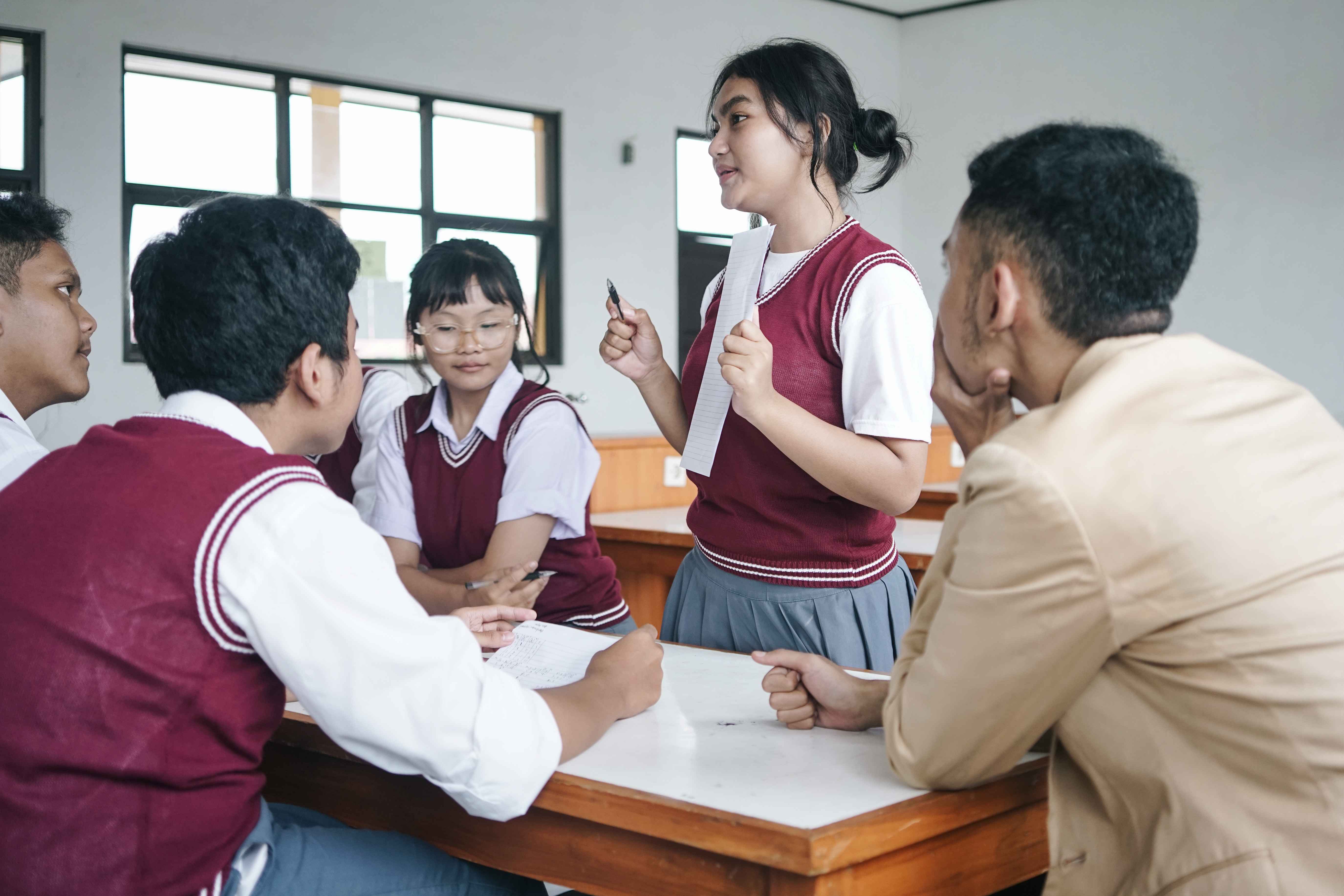
The most effective activities to improve communication skills for students include structured debates, storytelling sessions, role-playing exercises, group discussions, and peer presentations. These activities build vocabulary, improve articulation, and teach students how to listen actively before responding. Even simple daily practices, like asking students to summarise lessons in their own words or present show-and-tell segments, create powerful communication habits that compound significantly over time with consistent, guided practice.
What Extracurricular Programs and Group Activities Strengthen Student Communication Abilities
Beyond the classroom, communication skills activities for students flourish in drama clubs, Model United Nations (MUN), debate societies, school newspapers, and community service programs. These platforms expose students to diverse perspectives, teach persuasive communication, and build the ability to adapt messaging for different audiences. At DPSG Vasundhara, students are consistently encouraged to participate in such enriching programs, ensuring communication development happens both inside and outside formal academic environments throughout the year.
How Schools and Parents Can Work Together to Build Stronger Communicators From an Early Age
Building effective communication skills for students requires a coordinated effort between educators, parents, and the broader school community working consistently toward shared developmental goals.
Practical Strategies Parents Can Use at Home to Reinforce Communication Skills Every Day
Parents play a pivotal role in strengthening communication skills for students at home. Simple daily habits make a significant difference, such as having open dinner table conversations, encouraging children to narrate their day, reading aloud together, limiting passive screen time, and asking open-ended questions that require more than yes/no answers. Introducing children to age-appropriate podcasts, audiobooks, and storytelling apps also builds vocabulary and listening skills organically, complementing whatever structured communication training they receive in school environments.
How DPSG Vasundhara Creates a Communication-First Learning Environment for Every Student
DPSG Vasundhara integrates effective communication skills for students into its everyday academic and co-curricular fabric. From morning assemblies and house debates to inter-school competitions and leadership programs, every student is given consistent opportunities to speak, listen, present, and collaborate. The school's experienced faculty uses activity-based learning methods, ensuring the importance of communication skills in education is not just taught theoretically but experienced practically, building articulate, confident, and empathetic communicators ready for tomorrow's world.
Choosing the Right School That Prioritises Communication as a Core Educational Value
The importance of communication for students is best realised in schools that embed it across subjects, activities, and daily interactions, not treat it as an occasional add-on.
What to Look for in a School That Genuinely Develops Communication Skills in Its Students
When evaluating schools for their commitment to communication skills for students, look for structured debate and MUN programs, active drama and performing arts departments, project-based collaborative learning, and teachers trained in facilitating open classroom discussions. Schools that celebrate student voice, through newsletters, assemblies, and leadership councils, signal a genuine, institution-wide commitment to developing communicators, not just examinees who can answer questions but struggle to express original, independent thought.
Read Also : How English Medium Schools Help Shape A Student’s Career
Conclusion
The importance of communication skills in education cannot be overstated in today's interconnected, fast-paced world. From improving academic performance to building lifelong confidence, communication skills for students are the foundation upon which successful futures are built.
Schools like DPSG Vasundhara understand this deeply, embedding communication at the heart of their educational philosophy. Parents, educators, and institutions must collectively invest in activities to improve communication skills for students early, consistently, and meaningfully, because a child who communicates well is a child truly prepared for life.


