
Innovative Teaching Methods: Strategies and Techniques for Modern Classrooms
BY ADMIN PUBLISHED March 14, 2026, UPDATED January 1, 1970
Enter a classroom these days, and you will see something different. Now it is not blackboard and lectures anymore. Students are engaging in all manner of discussions, collaborating, asking questions, and even teaching one another. That shift isn't accidental.
Education is a changing field, and now more than ever, there is a greater demand for new teaching methods. The traditional methods are still useful, yet they cannot work alone anymore. The learners of today need to be connected to the world, flexible and interactive.
Shall we get to know these new techniques then, and what a difference they will make? Let's break it down.
What Are Innovative Teaching Methods?
Innovative methods of teaching, at their most fundamental meaning, encompass practices that go beyond rote learning and passive hearing. The approaches emphasized are participatory, problem-solving, and realistic comprehensiveness.
Classrooms are turned into interactive spaces rather than one-way communication. Innovative teaching and learning methods reference those techniques that:
- Modify the student participation.
- Also encourage enquiring and questions.
- Relate concepts to life.
- Cultivate interpersonal learning skills.
Its aim is not complicated: to fill learning with meaning.
Why Do Modern Classrooms Need Innovation?
Currently, students are bombarded with information at all times. They see the internet, books, conversations, and experiences, not only books, but also learn from them.
As a result, it is possible that standard lecture-based teaching is not as effective as attention-grabbing methods. The necessity of innovative teaching methods is due to:
- Shorter attention spans
- Minority of learning styles.
- Increased competition
- Emphasise skill-based learning.
Innovative classrooms need a different approach to teaching and strategies that are dynamic in response to these changes, rather than opposing them.
Types of Innovative Teaching Methods Used Today
No one-size-fits-all strategy exists that is applicable in all classrooms. This is the reason why teachers consider various forms of novel instruction. Certainly, some of those methods are:
- Activity-based learning
- Project-based learning
- Flipped classroom model
- Collaborative learning
- Experiential learning
This continually evolving list of novel instructional practices enables the teacher to select methods that are not only subject-based but also student-appropriate. Flexibility is key.
Activity-Based Learning: Learning by Doing
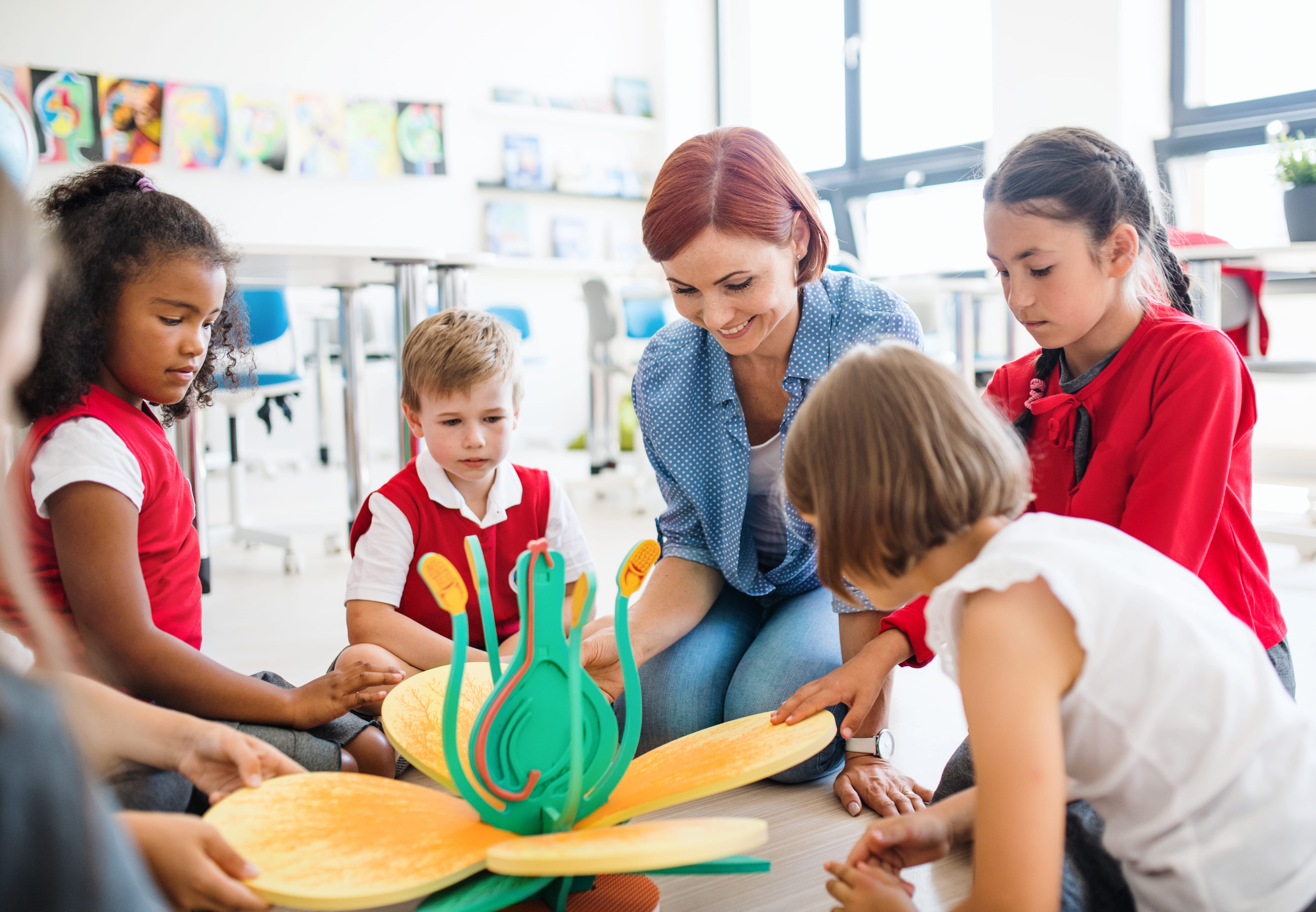
Activity-based learning is one of the best innovative methods of teaching. Students do not simply read about a concept; they engage in activities that help them understand it practically.
For example:
- Science lessons as opposed to theory classes.
- Language learning role plays.
- Practical models in mathematics.
Such learning and teaching innovative techniques enhance retention because students gain experience with the concept and do not memories it by heart. Learning is not passive but active.
Project-Based Learning: Building Real-World Skills
Project-based learning is another significant aspect of the contemporary learning process and strategies. In this method, the students do the projects in which they need to do the research, the planning, and the implementation. They may:
- Create presentations
- Solve real-life problems
- Work in teams
- Present findings
- This method builds:
- Problem-solving ability
- Communication skills
- Time management
- Team collaboration
It is the only innovative teaching method that links what one studies in the classroom with real life.
Flipped Classroom: Reversing the Traditional Model
One of the more interesting innovative methods of teaching is the flipped classroom. In this case, students are taught simple concepts at home through videos or reading. Discussion, problem-solving and clarification are then discussed in classroom time. This style transforms the teacher from an instructor to a facilitator. Such innovative teaching strategies have the following advantages:
- More interactive class time
- Better doubt resolution
- Improved engagement
Students arrive prepared, and class is a place of further knowledge.
Collaborative Learning: Learning Together
Learning does not necessarily have to be personal. Guided learning facilitates group work among the students. It is among the best innovative means of teaching and learning to construct interpersonal skills. Students learn:
- How to share ideas
- How to listen to others
- How to work as a team
- The way to respect the other points of view.
These teaching styles and techniques can prepare students to work as a team when they need to in the real world.
Experiential Learning: Beyond the Classroom
Experiential learning focuses on learning through experience. This includes:
- Field trips
- Lab work
- Simulations
- Real-world observations
Among innovative teaching methods, experiential learning stands out for bridging theory and reality. Students understand concepts better when they see them in action.
Role of Technology in Innovative Teaching
The use of technology is now a part of education in the present times. Digital tools, smart boards, and online platforms are beneficial for innovative teaching methods, as they make content more interactive. Technology allows:
- Videos and animations are a means of visual learning.
- On-site availability of information.
- Interactive assessments and tests.
- Individual classroom teaching.
But technology is effective when combined with prudent pedagogical practices and techniques, rather than proving to be its total overthrow. Balance is important.
How Innovative Teaching Improves Student Engagement
Engagement is one of the biggest challenges in classrooms. Students lose interest when learning feels repetitive or disconnected. The use of innovative teaching methods changes that. It:
- Keeps students involved
- Encourages participation
- Makes lessons interesting
- Reduces classroom monotony
When students are engaged, they learn better. That’s the real impact of strong innovative teaching strategies.
Importance of Teacher Adaptability
No method works forever. Teachers must continuously adapt. The effectiveness of innovative teaching and learning methods depends on how well teachers understand their students. Adaptability includes:
- Trying new approaches
- Observing student response
- Adjusting teaching pace
- Combining multiple methods
Great teaching is not fixed. It evolves.
Challenges in Implementing Innovative Teaching Methods
While the benefits are clear, there are challenges too. Some common difficulties include:
- Time constraints
- Large classroom sizes
- Resistance to change
- Need for teacher training
Despite these challenges, schools are gradually adopting more innovative teaching techniques because the outcomes are worth the effort. Change may be slow, but it is happening.
Role of Schools in Encouraging Innovative Teaching
To be successful in innovation, the schools need to be supportive. Learning is enhanced in institutions that promote experimentation, offer resources, and invest in teacher training.
Vasundhara: Amidst the Best Schools in Vasundhara, there is an increasing emphasis on current-day forms of teaching and approaches that emphasise the primary concern of student involvement and all-roundness. The schools are instrumental in transforming ideas into practice.
How Innovative Teaching Prepares Students for the Future
More than academic knowledge is required in the future. Students need:
- Critical thinking
- Creativity
- Adaptability
- Communication skills
The significance of new teaching techniques is that they prepare students for this reality. Students are able to be more confident and competent because when learning in different ways, they can feel much braver. Education turns into preparation, not instruction.
Final Thoughts
The classroom is no longer a place where students can just listen. It is where they experiment, challenge and innovate. The move to new teaching practices demonstrates a better understanding of how students learn and their learning patterns. Education is becoming dynamic through diverse, innovative teaching techniques, flexible teaching methods, and an ingenious array of approaches. It is not aimed at fully replacing traditional methods, but at improving them. Since learning must not be an assignment. It must be an experience of discovery.


